What It’s Like Living in Moraga CA Day to Day
February 19, 2026
February 19, 2026
Looking for a quieter East Bay town with rolling hills, weekend trails, and a low‑key center for errands and coffee? If you are weighing schools, outdoor access, and a suburban pace, Moraga deserves a close look. In this guide, you will learn how daily life works here, from parks and farmers’ markets to commutes and housing types, so you can decide if it fits your goals. Let’s dive in.
Set in the East Bay hills as part of the Lamorinda trio, Moraga is a compact, residential town with a small‑town feel. The estimated population in 2024 is 16,698, with high owner occupancy and a highly educated resident base. Median household income and home values rank well above national figures, and the mean one‑way commute is about 30.6 minutes. You can review live community facts on the Census QuickFacts page for Moraga.
For official figures and updates, see the Census Bureau’s Moraga profile on QuickFacts.
Moraga’s daily rhythm leans outdoors. The town’s central green, Moraga Commons Park, anchors summer concerts, kid‑friendly play areas, and seasonal events. You will also find a skatepark, disc‑golf course, and a bandshell for performances, which makes it a true community hub.
For easy access to nature, the paved Lafayette–Moraga Regional Trail parallels St. Mary’s Road and links neighborhoods with nearby downtowns and regional staging areas. Walkers, joggers, cyclists, and equestrians share the path, and it connects into larger open‑space networks in the East Bay hills. Some watershed trails require permits, so check the trail notes before you go.
Beyond the Commons, residents use town parks for everyday play and gatherings. Rancho Laguna Park offers open fields and picnic spots, while the historic Hacienda de las Flores serves as a community venue and rental site for celebrations. Town Parks and Recreation maintains facility details and a community calendar on its website.
Moraga’s center is compact and practical. You will find cafés, bakeries, and services at Moraga Center along Moraga Way, plus additional shopping at Rheem Valley a short drive away. The standout weekly ritual is the certified year‑round Moraga Farmers’ Market, typically held Sundays from 9 a.m. to 1 p.m., with dozens of vendors and seasonal family activities. It is a reliable way to meet neighbors and stock up on local produce.
Instead of a single master‑planned development, Moraga is a patchwork of subdivisions and recognizable pockets. Locals often reference areas like Rheem and Rheem Valley, the golf‑course setting of Moraga Country Club, the Campolindo area near the high school, Carroll Ranch, and Sanders Ranch, along with other mid‑century and newer enclaves. For historical context and subdivision references, the Moraga Historical Society archives are a helpful resource.
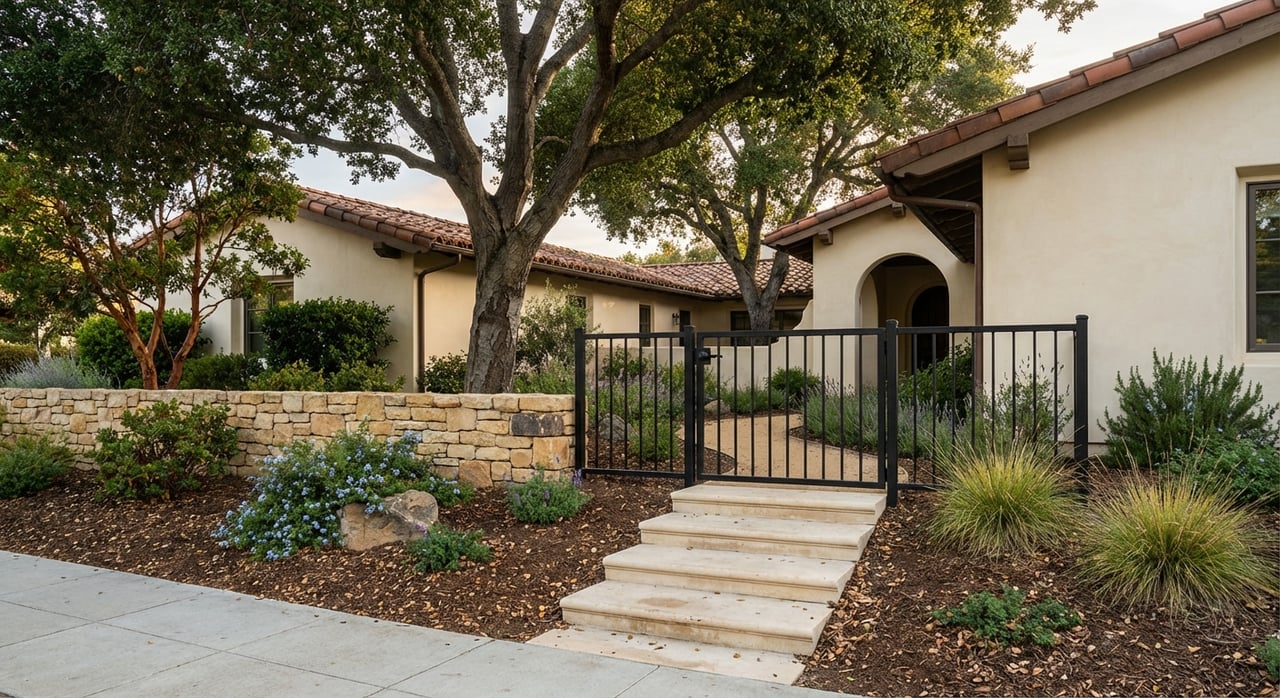
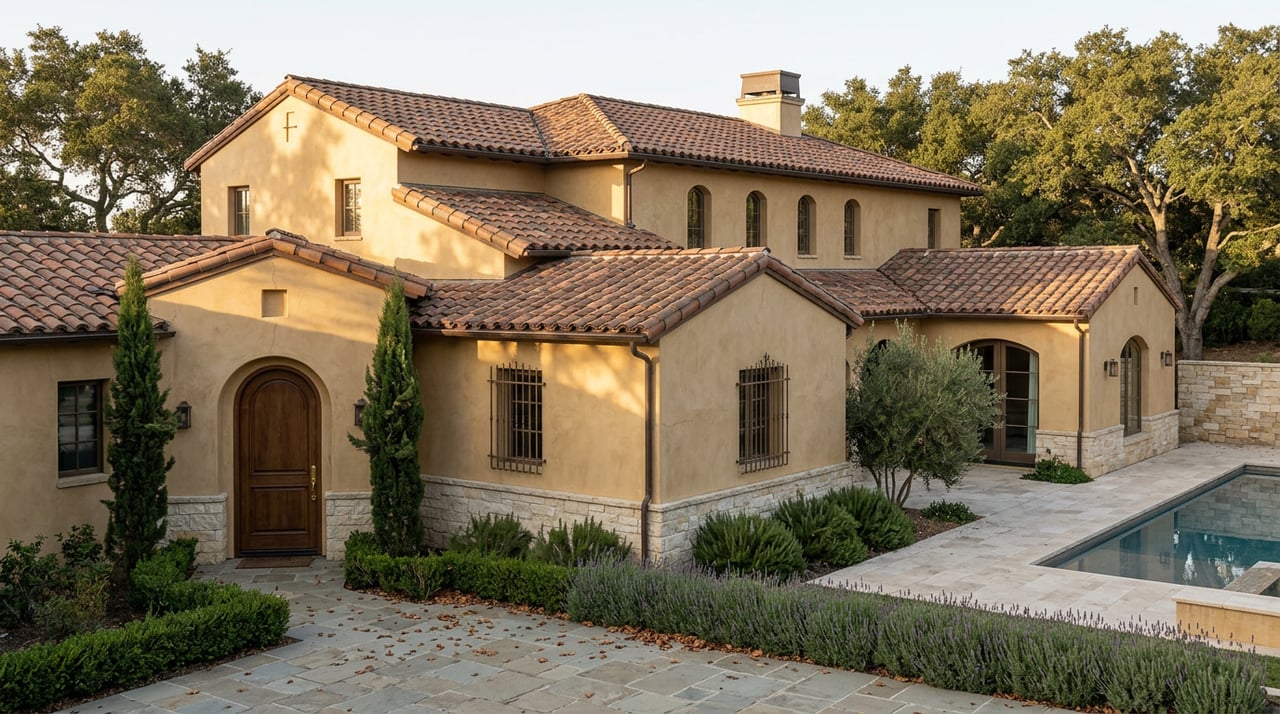
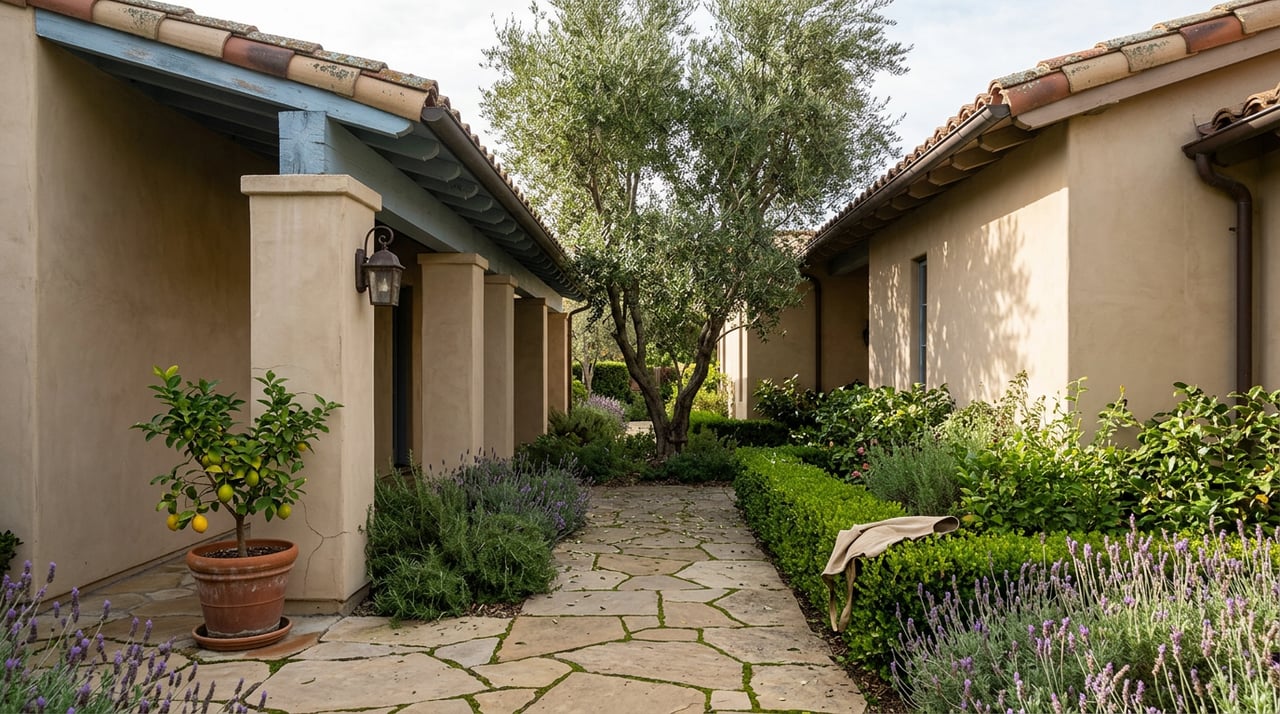
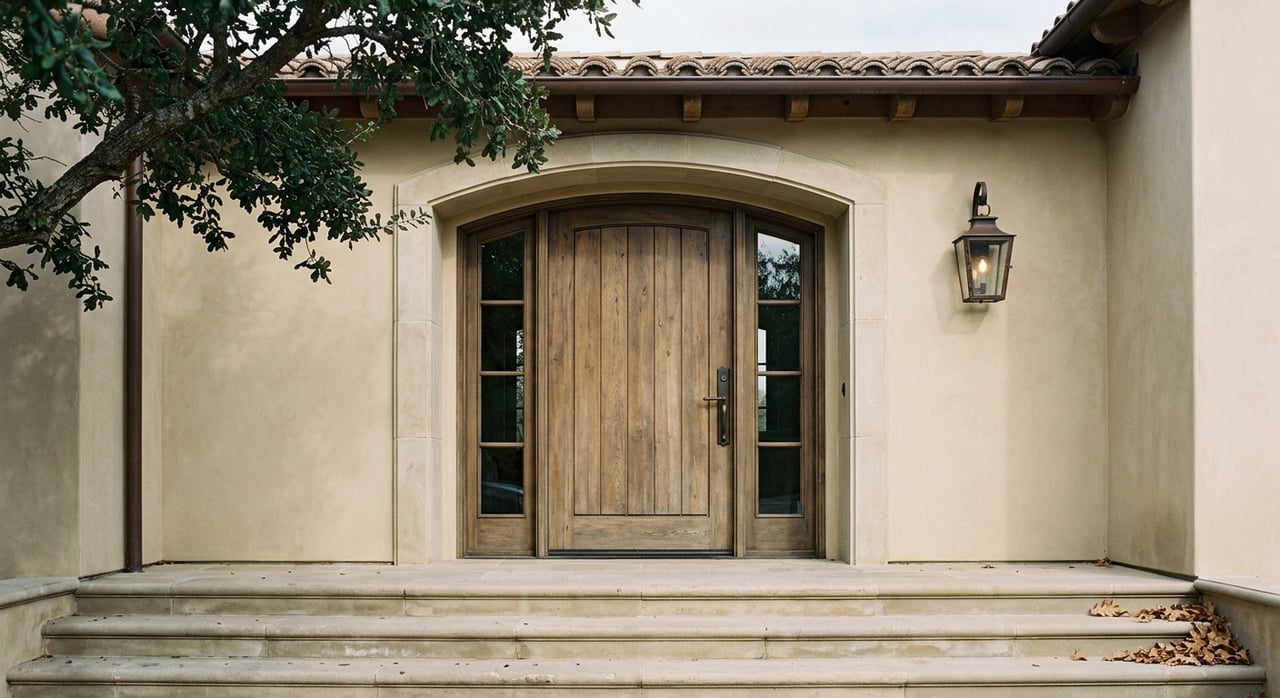
What you will see on most streets are single‑family homes that span classic ranch and mid‑century styles, Mediterranean and Spanish‑influenced designs, and custom hillside properties with larger lots and views. Townhome and condo pockets exist closer to Moraga Center and Rheem Valley for lower‑maintenance living.
On prices, the Census Bureau’s ACS places the 2020–2024 median owner‑occupied home value at about $1.66 million. Actual sale prices vary by month and by property type, and Moraga’s market responds to broader Bay Area trends. If you want a current snapshot, make sure to check live market data and recent sales for the month you plan to buy or sell.
Public TK–8 students are served by the Moraga School District across Camino Pablo, Donald L. Rheem, and Los Perales elementary schools, plus Joaquin Moraga Intermediate. The district shares enrollment and program details on its site. You can review the latest information on the Moraga School District enrollment page.
For high school, local students typically attend Acalanes Union High School District schools, with Campolindo High located in Moraga. Program, reporting, and policy details are available on the Acalanes Union High School District site.
Moraga also has a four‑year college in town. Saint Mary’s College of California is a private institution with a suburban campus and roughly 2,700 to 3,000 students, depending on the year. Its athletics, arts, and community events add a campus‑town layer to northern Moraga and give residents a steady calendar of games, lectures, and performances.
Moraga does not have a BART station within town limits. The nearest stations are Lafayette and Orinda, which are usually a 10 to 20 minute drive from many Moraga neighborhoods, depending on traffic and your exact location. Many residents drive to BART or use County Connection buses, which link Moraga to BART and nearby commercial centers. For route maps and schedules, start with County Connection.
A direct BART ride from Lafayette or Orinda to downtown San Francisco is commonly reported in the mid‑20 minute range, although travel times vary by line and time of day. Parking at those stations can be tight during peak hours, so a permit or earlier arrival often helps. The town’s mean travel time of about 30.6 minutes reflects both local and regional commutes.
Moraga operates its own police department and publishes annual crime statistics. Town reports note a relatively low crime volume compared with larger Bay Area cities, with fluctuations year to year. For official statements, programs, and the latest reports, visit the Moraga Police Department.
Municipal services and community events are handled by the Town of Moraga, including facility rentals, parks programming, and a town calendar. School fundraisers, volunteer groups, and Saint Mary’s College events create a steady cadence of local activities.
Every move blends lifestyle and logistics. Here are common draws and tradeoffs to weigh as you decide.
Draws
Tradeoffs
If you want a quick feel for town life, try this simple loop:
Each step is close, simple, and gives you a clear picture of everyday living.
If Moraga checks the right boxes for you, your next question is timing and fit. Whether you are buying your first Lamorinda home, preparing a move across town, or weighing a renovation to boost value before selling, you should have a plan that aligns with your budget, timeline, and the current market. A local advisor who pairs market knowledge with hands‑on project experience can help you compare neighborhoods, evaluate homes with future updates in mind, and coordinate the steps from offer to finish.
Ready to talk strategy for Moraga or the broader Lamorinda area? Reach out to Wirlybirds INC to start a focused, local plan tailored to your goals.
Stay up to date on the latest real estate trends.

We'd love to hear from you! Whether you're buying, selling, or just exploring your options, we're here to provide answers, insights, and the support you need. Contact us and start planning your next move.