Orinda vs Lafayette for East Bay Families: A Comparison
February 12, 2026
February 12, 2026
Torn between Orinda and Lafayette for your next move? You are not alone. Families across the East Bay often weigh school options, commute trade-offs, neighborhood feel, and long-term value in these two neighboring cities. In this guide, you will get a clear, side-by-side look at how Orinda and Lafayette compare, plus a practical checklist to help you decide with confidence. Let’s dive in.
Both Orinda and Lafayette sit along State Route 24 in central Contra Costa County with quick access to the Caldecott Tunnel, Oakland, and San Francisco. Each has a BART station and a strong reputation for high-performing public schools. They share many long-term value drivers: limited land for new building, sought-after schools, BART convenience, and access to regional parks.
Where they differ comes down to everyday lifestyle. Orinda leans quieter and more wooded, with a hill-and-canyon setting and a small downtown. Lafayette offers a livelier, walkable downtown along Mt. Diablo Boulevard with a wider mix of shops and dining, plus more flatland neighborhoods near schools and parks.
Families value academics, parent engagement, and community support in both cities. Attendance zones and feeder patterns can influence your home search, so make boundary research part of your early due diligence.
Each city has a BART station on the same line, with direct service to downtown Oakland and connections to San Francisco. If rail is your preferred mode, compare station parking, drop-off zones, and last-mile logistics.
BART ride times are generally consistent, but schedules vary by time of day. Always check current timetables before planning a daily routine.
State Route 24 is the main corridor linking both cities to Oakland and San Francisco. Expect heavier congestion during peak hours, especially around the Caldecott Tunnel. For East Bay job centers, many drivers connect to I‑680, I‑580, or local arterials. Traffic can shift quickly with incident activity and school-year calendars, so build in margin if school drop-off is part of your morning.
Lafayette’s flatter sections and downtown grid make everyday biking and kids’ rides to parks more feasible for many families. Orinda’s hillier terrain means shorter leisure rides can be fun, while longer bike commutes may be more challenging for most.
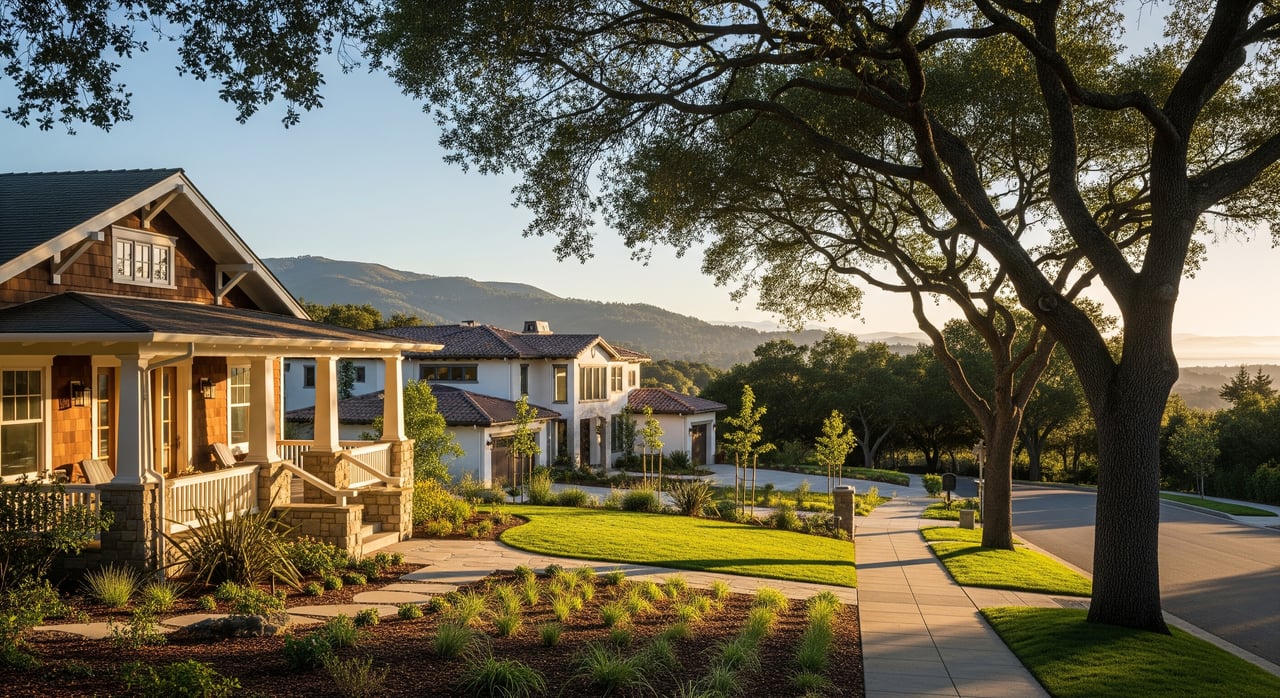
Orinda’s character is defined by hills, canyons, and mature trees. You will find quiet streets, a small downtown core (Orinda Village) with restaurants and services, and quick access to trails. Many neighborhoods prize privacy and a suburban or semi-rural setting.
Lafayette centers on a more active, walkable downtown along Mt. Diablo Boulevard, with local boutiques, restaurants, a farmers market, and frequent community events. The Lafayette Reservoir and nearby parks offer easy weekend recreation. Flatter neighborhoods near schools make daily routines simple for many families.
Both cities provide abundant outdoor access, from neighborhood parks to regional open space. Browse the East Bay Regional Park District park list to get a feel for nearby trailheads, picnic areas, and weekend options.
Both Orinda and Lafayette are dominated by single-family homes, including mid-century ranches, postwar designs, renovated contemporaries, and custom builds. Multifamily options exist but are limited relative to larger urban markets.
California law supports ADUs in both cities, but site conditions still matter. Slopes, drainage, setbacks, and access can affect what is feasible. If you plan to add an ADU, complete a renovation, or explore an SB 9 lot split, verify local permitting rules with the city and review site-specific constraints early. City planning resources are available from the City of Orinda and the City of Lafayette.
Canyon and hillside areas across both cities sit near the wildland-urban interface. Defensible space, clear evacuation routes, and insurance planning are smart steps for any hillside home. Review official mapping on the Cal Fire Fire Hazard Severity Zone page, and check with local fire districts about vegetation management and preparedness programs.
Homes near creeks or the Lafayette Reservoir may have localized flood considerations, and any steep lot can present slope stability questions. Use the FEMA Flood Map Service Center to understand baseline flood risk and consult qualified professionals for site-specific assessments during inspections.
The region is seismically active. When you evaluate a home, pay attention to foundation type, past retrofit work, and securing of major systems. These factors can influence both safety and resale.
Use these notes as a starting point, then confirm boundaries and exact features during your search.
Both Orinda and Lafayette benefit from enduring fundamentals: well-regarded public schools, BART access, and scarce developable land. Homes near transit and downtown amenities can offer wider resale appeal. Larger hillside or estate properties often command premiums for privacy and views but may attract a narrower buyer pool. The right choice comes down to your family’s daily routine, appetite for maintenance, and future project plans.
Choosing between two great cities is a good problem to have. If you want a trusted guide who pairs neighborhood knowledge with technical know-how, our family team is here to help. As a boutique brokerage and licensed contractor, we can evaluate homes, estimate project costs, model ADU or SB 9 potential, and design a step-by-step plan from purchase to renovation and resale when the time is right.
Have questions or want a custom comparison of homes that fit your school and commute goals? Connect with Woehrle Real Estate & Development to get started. Curious about selling? What’s My Home Worth?
Stay up to date on the latest real estate trends.
We'd love to hear from you! Whether you're buying, selling, or just exploring your options, we're here to provide answers, insights, and the support you need. Contact us and start planning your next move.