Staring at a punch list and a calendar, you might be asking, “Do I fix it up or list it as-is?” If you are planning a spring or summer sale in Lafayette, the answer depends on timing, buyer expectations, and your appetite for projects. You want a strong price without sinking months and money into work you will never enjoy.
This guide gives you a simple framework to decide what to update, what to skip, and how to hit the market with confidence. You will see Lafayette-specific tips, realistic budgets and timelines, and a clear plan to protect your bottom line. Let’s dive in.
How Lafayette buyers view condition
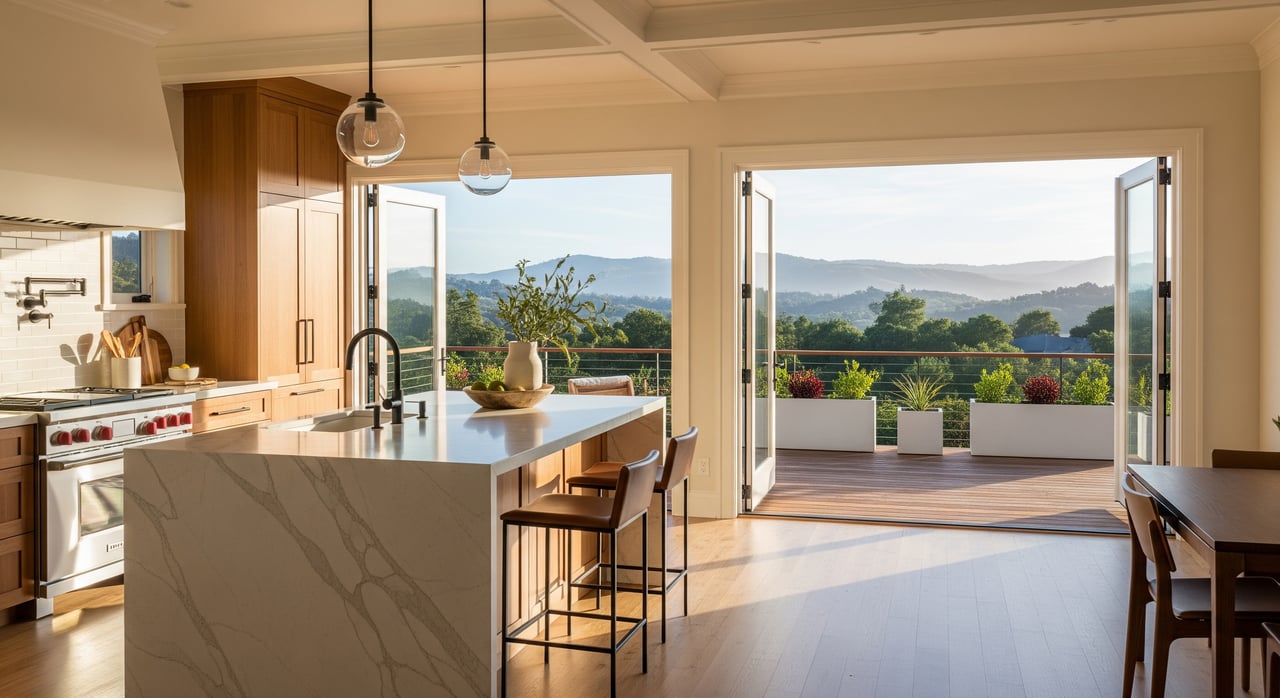
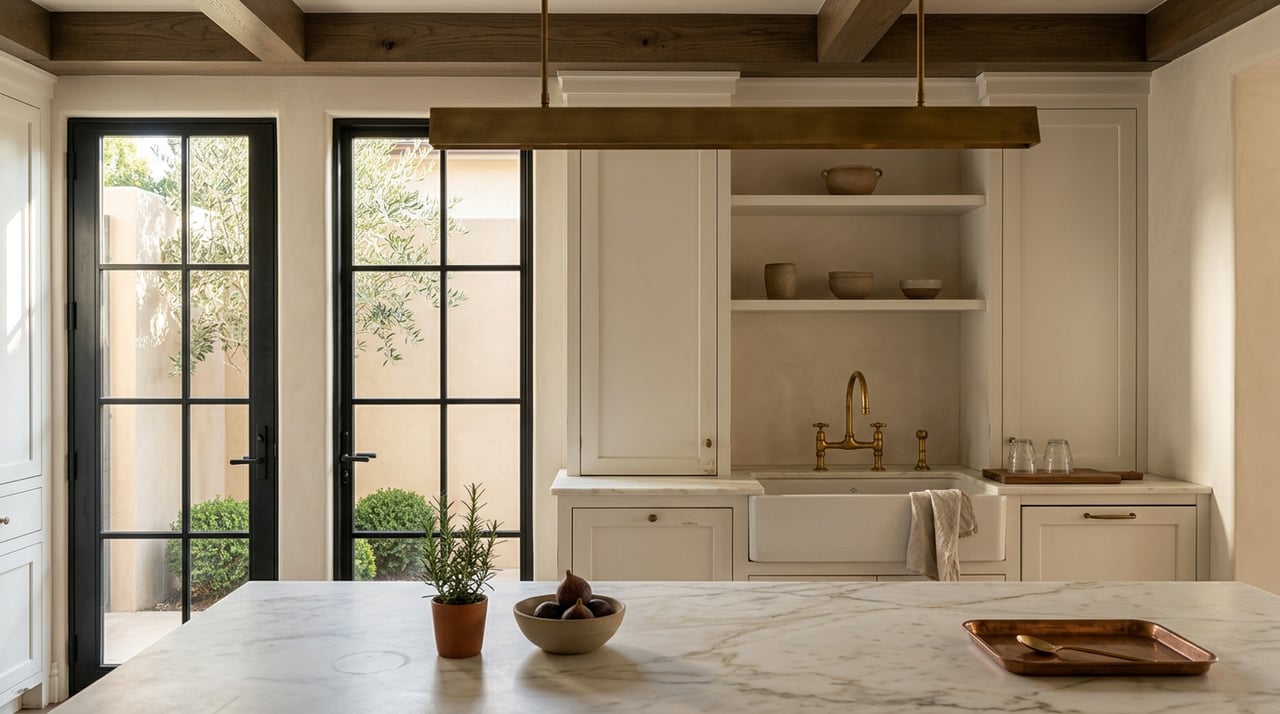
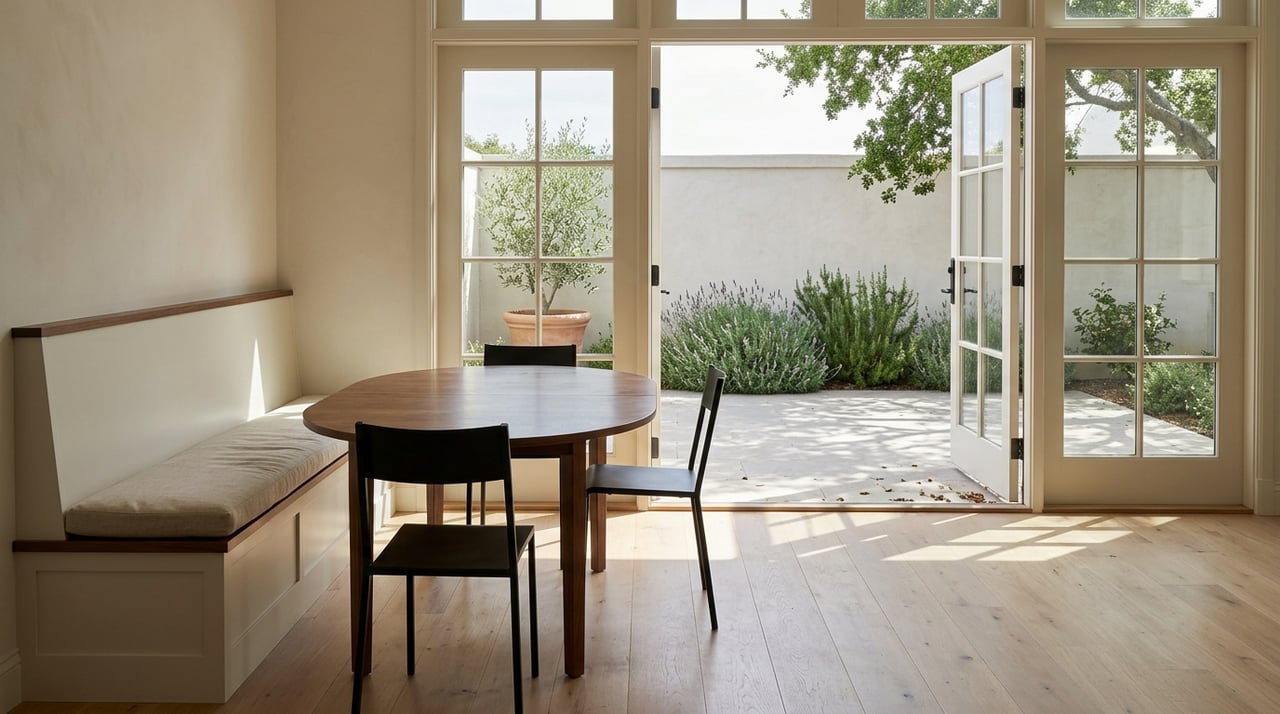
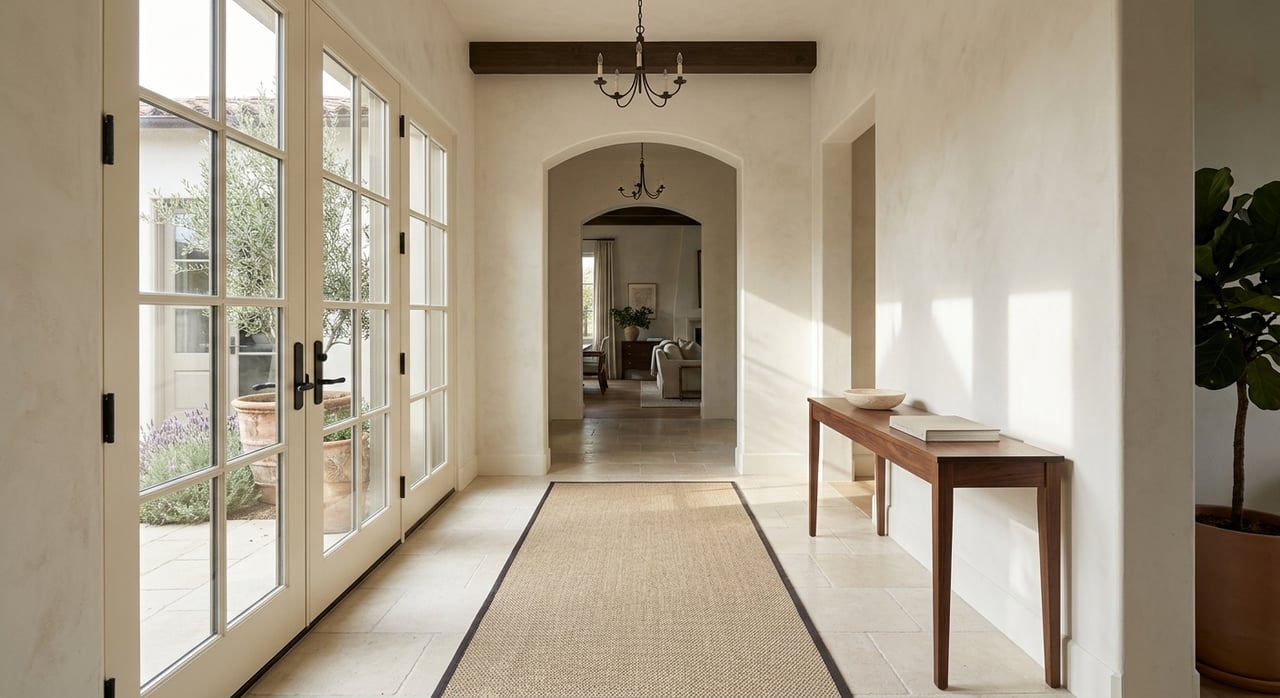
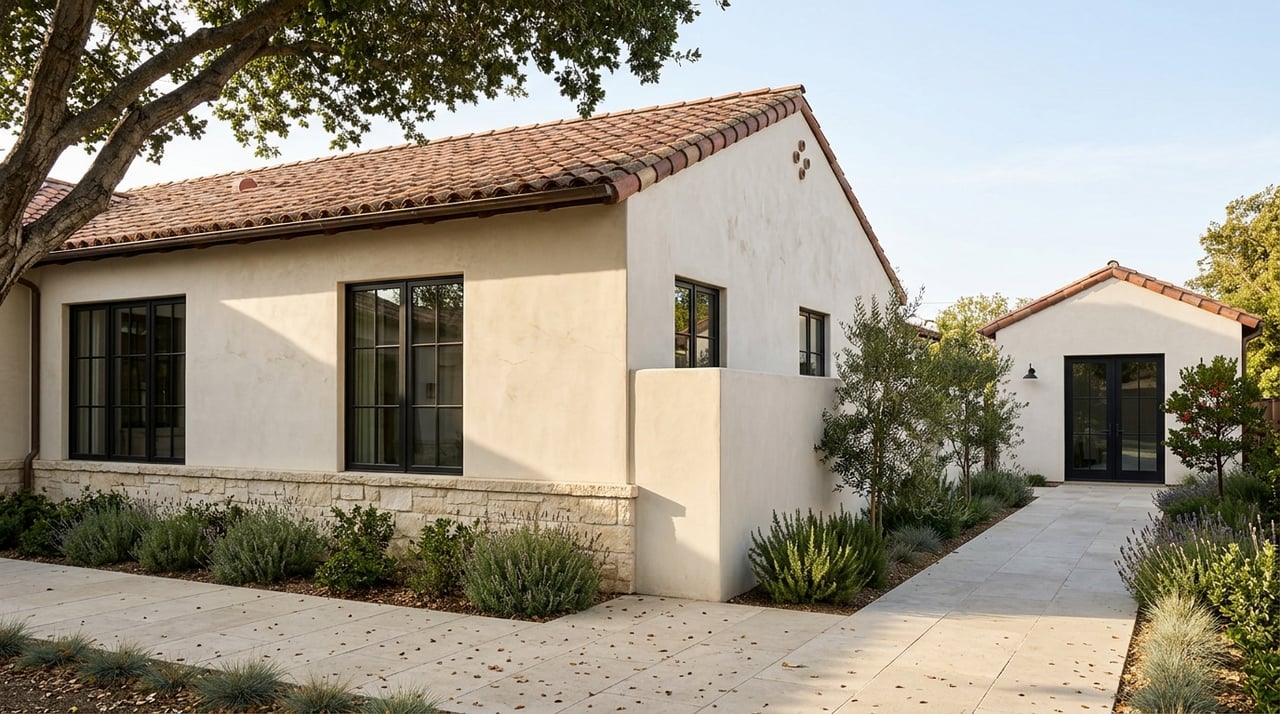
Lafayette buyers tend to expect clean, move-in-ready homes with updated kitchens and baths, easy indoor-outdoor flow, and fresh landscaping. Small, well-chosen updates often make a strong first impression. Overbuilding custom spaces right before you sell rarely pays off.
Your goal is to meet buyer expectations without overcommitting time or budget. In many cases, a tight plan focused on paint, floors, lighting, curb appeal, and staging can shorten days on market and support stronger offers. Industry research on staging highlights how presentation impacts sale speed and perceived value. You can see current insights in the National Association of Realtors’ Profile of Home Staging.
A simple decision framework
Gather local data
- Pull very recent comparable sales in your micro-market. Focus on the last 90 days around Downtown Lafayette, Happy Valley, Burton Valley, and the Reservoir area.
- Note which homes sold after cosmetic refreshes compared with those listed as-is. Look for price gaps and days on market.
- Ask two local listing agents for perspective on buyer profiles and finish-level expectations in your area.
Estimate costs and time
- Get at least two contractor bids for any work you are considering. In the Bay Area, labor and materials often cost more and take longer than national averages.
- Identify which items require permits. For current review times and requirements, check the City of Lafayette’s Building Division. Larger or unincorporated-area projects may involve county review.
Do the net-benefit math
Use a simple formula to keep decisions grounded:
- Estimated price lift = the likely increase in sale price after updates, based on comps and agent input.
- Net benefit = (Estimated price lift) − (Renovation cost + carrying costs during renovation + closing costs on the higher price + staging and sales prep).
If net benefit is clearly positive and the work fits your timing and risk tolerance, proceed. If not, pivot to a light-prep strategy.
Consider smart alternatives
- Price as-is and invest in targeted staging, professional photos, and quick curb appeal fixes.
- Offer buyer credits for optional cosmetic work rather than tackling it yourself.
- If time is tight or the home needs extensive work, consider an as-is strategy targeted to investors.
What to update vs. skip
Low-cost, fast wins
Typical budget: $2,500 to $25,000. Typical timeline: 1 day to 3 weeks.
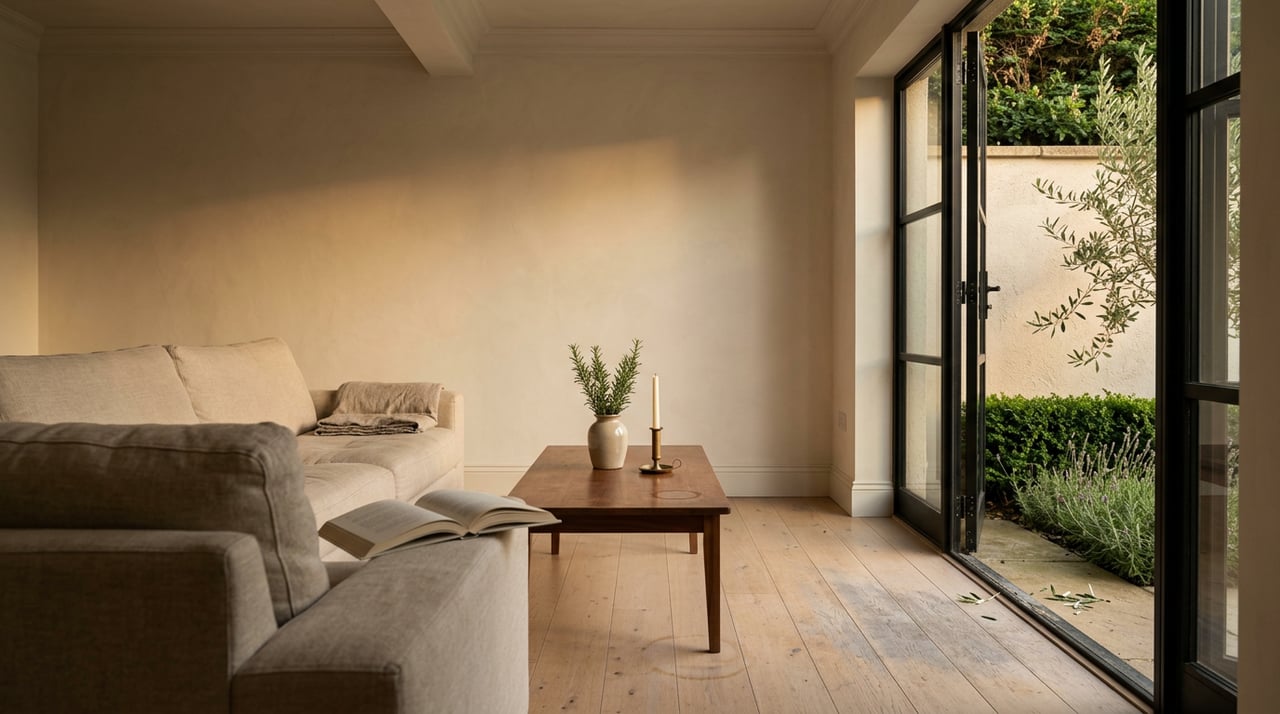
- Fresh interior paint in neutral colors and select exterior touchups.
- Deep cleaning, decluttering, and professional staging.
- Light fixture updates, new door hardware, outlet covers, and faucets.
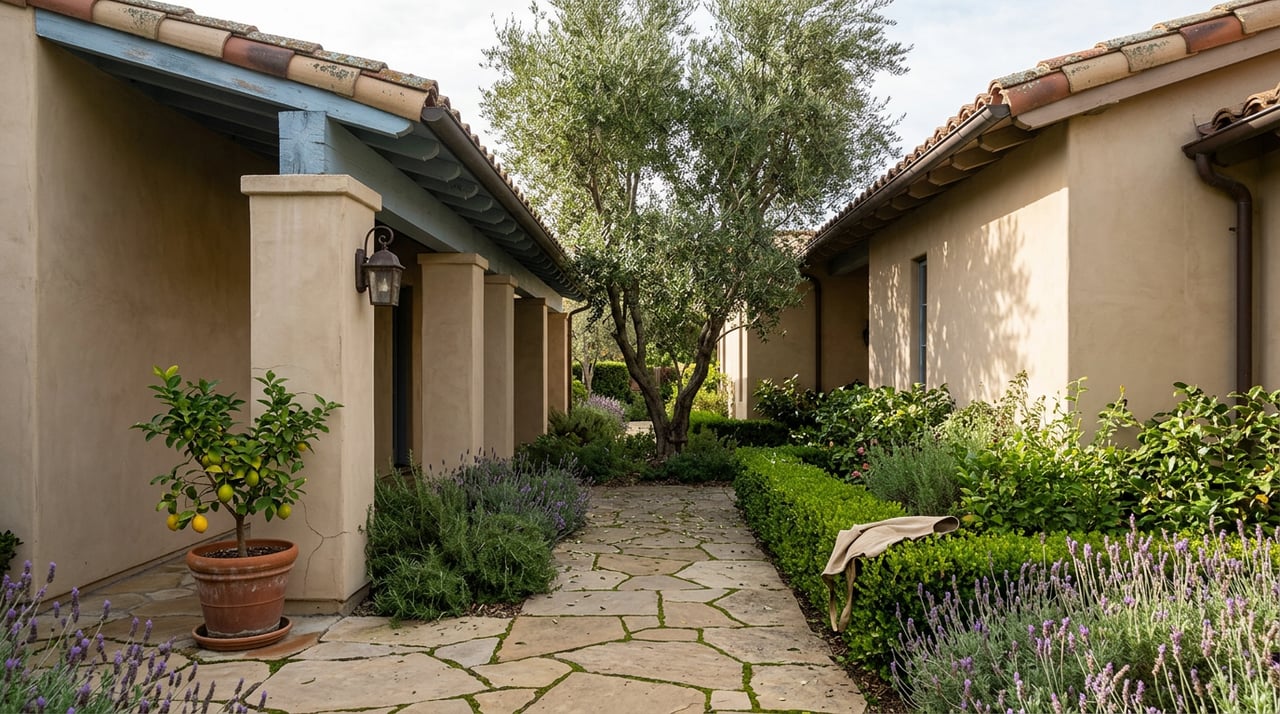
- Minor landscaping: mulch, trimmed hedges, fresh plants, pressure washing.
- Flooring: clean carpets or replace worn areas with durable engineered wood or laminate.
These items often deliver the highest percentage ROI and help you get to market quickly. NAR’s staging research supports how presentation improves buyer perception and can shorten time to contract. See the latest findings in the NAR Profile of Home Staging.
Targeted remodels with clear payback
Typical budget: $20,000 to $120,000. Typical timeline: 4 to 12 weeks.
- Minor kitchen remodel: refinish or reface cabinets, replace counters, swap dated appliances, update lighting and hardware.
- Bathroom refresh: new vanity, regrout tile, update fixtures, brighter lighting, fresh mirrors.
- Strategic floor updates in main living areas.
Regional data shows midrange, smaller projects typically recoup a higher share of cost than upscale, high-end custom work. For planning benchmarks and typical recoup ranges by project type, review Remodeling Magazine’s Cost vs. Value Report.
Major remodels or additions
Typical budget: $150,000 to $600,000+. Typical timeline: 3 to 9+ months.
Full kitchen gut remodels, structural additions, second-story additions, or building an ADU can raise a property’s long-term value. For a near-term spring or summer listing, these projects often carry lower percentage ROI and higher schedule risk. Long permit timelines and contractor backlogs can also push you past your target window.
Repairs buyers expect
Always address safety and system issues that inspectors will flag. Examples include roof leaks, HVAC or plumbing failures, termite or wood-rot remediation, foundation issues, and obvious code violations. Leaving material defects unresolved can stall escrow or force large credits later.
Micro-market playbook for Lafayette
Downtown Lafayette
Buyer focus: commute options and walkability, paired with clean, modern interiors.
High-ROI moves:
- Fresh interior paint and updated lighting with warm, contemporary fixtures.
- Refinished hardwoods and a minor kitchen refresh with modern hardware and counters.
- Decluttering and staging to highlight flow and natural light.
- Front-yard landscaping for crisp curb appeal.
Burton Valley and Happy Valley
Buyer focus: practical space, yards, and finished square footage.
High-ROI moves:
- Kitchen refresh that feels functional and family-friendly.
- Safe, updated bathrooms and durable flooring.
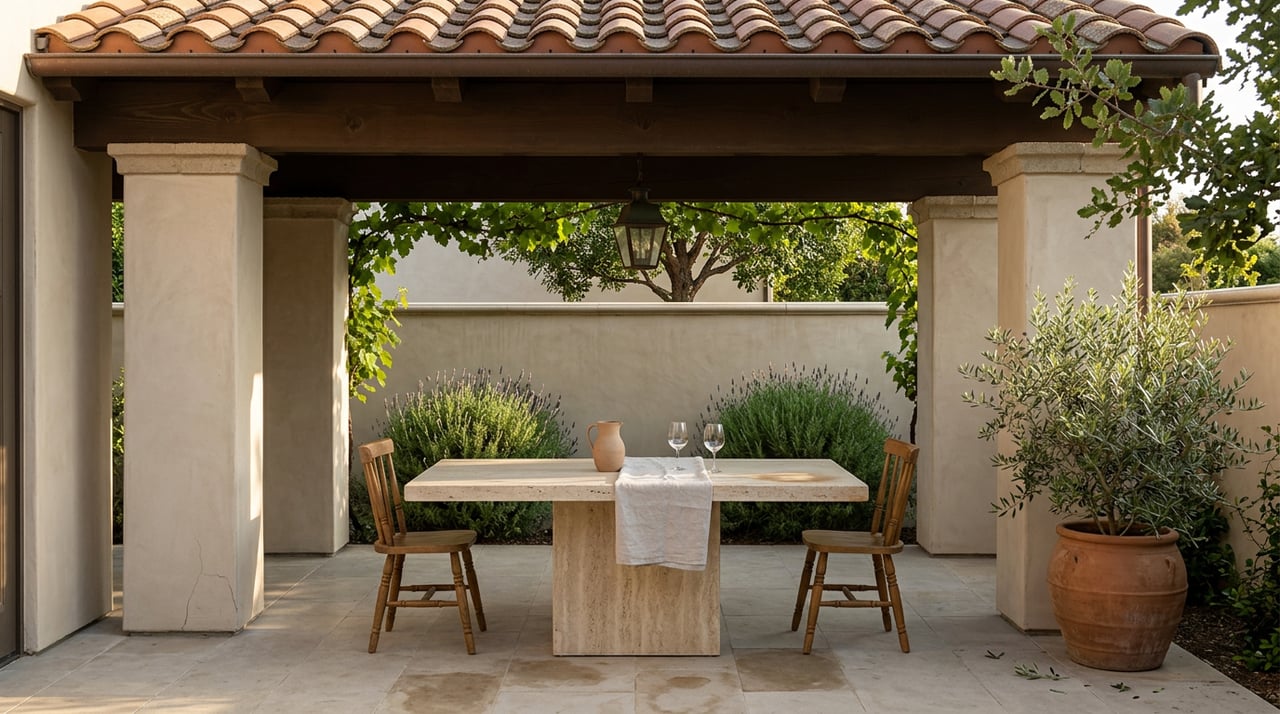
- Fencing repairs, yard cleanup, and simple outdoor living zones for dining and play.
- Storage improvements in garages and closets.
Reservoir area and older bungalows
Buyer focus: preserved character with modern systems.
High-ROI moves:
- Keep original trim, doors, and charm while modernizing kitchens and baths with sympathetic finishes.
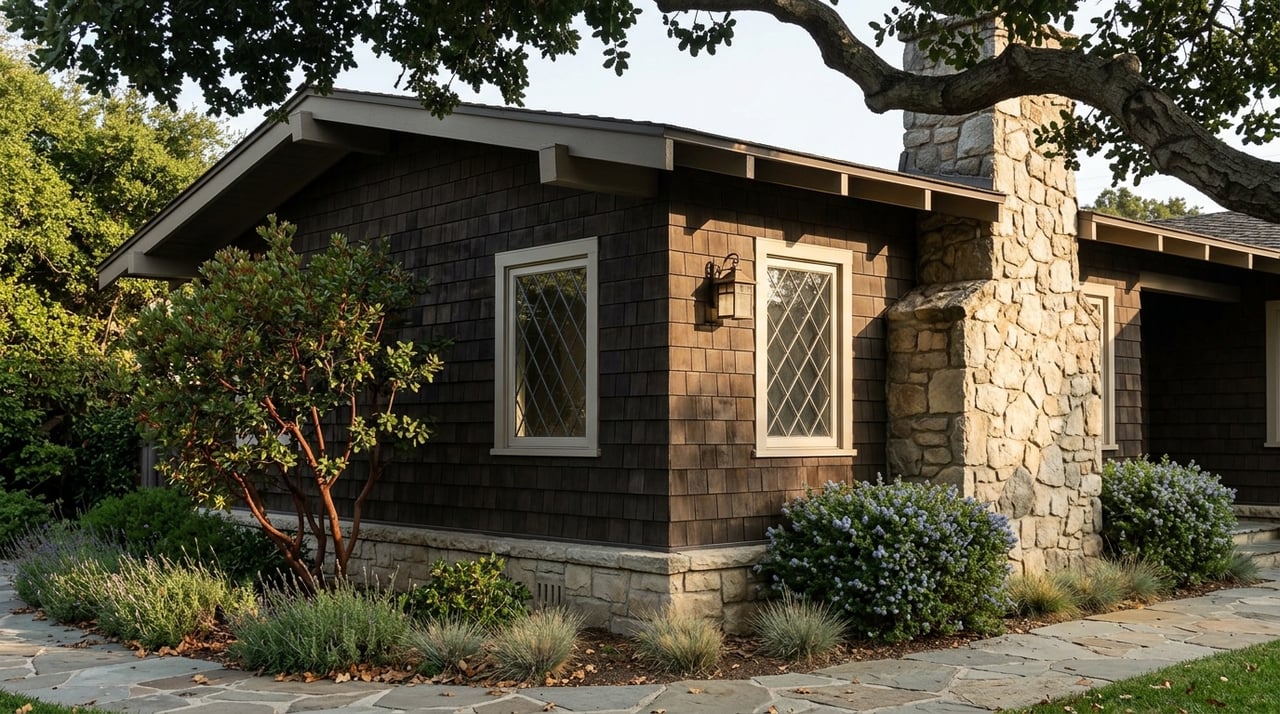
- Period-appropriate exterior paint to enhance curb appeal.
- Proactive system updates as needed, such as HVAC or roof.
Contra Costa suburbs with ADU potential
Buyer focus: flexible living or income options.
High-ROI moves:
- If timing allows, document ADU feasibility and permitting progress. If not, stage and market yard zones to show potential.
- New garage door, improved exterior lighting, and landscaping to showcase usable outdoor areas.
Timing and permits for spring and summer
Spring and early summer bring more buyers, so being ready on day one matters. Work backward from your target list date and account for bids, permits, and construction. Simple permits may be reviewed in weeks, while larger projects can take months. For current processes and timelines, start with the City of Lafayette’s Building Division.
Factor carrying costs during any renovation period into your math. Include mortgage payments, utilities, insurance, property taxes, and routine maintenance. Also include the risk cost of missing peak season if work runs long.
When time is tight, focus on 1 to 2 high-impact items like paint and floors, then stage well. Disclose known issues and price accordingly.
Mini before-and-after plans
Use these concepts to visualize impact. If structural work is shown, verify permits before proceeding.
Neutral refresh in Downtown Lafayette
- Before: Dated laminate counters, dark cabinets, cluttered surfaces.
- After: Painted or refaced cabinets, neutral quartz counters, new faucet and lighting, simple staging. Caption: Two-week cosmetic kitchen refresh to brighten space and improve perceived size. Approximate budget: $8,000 to $20,000. Timeline: 2 to 3 weeks.
Curb appeal upgrade in Burton Valley
- Before: Overgrown yard, faded front door, cracked walkway.
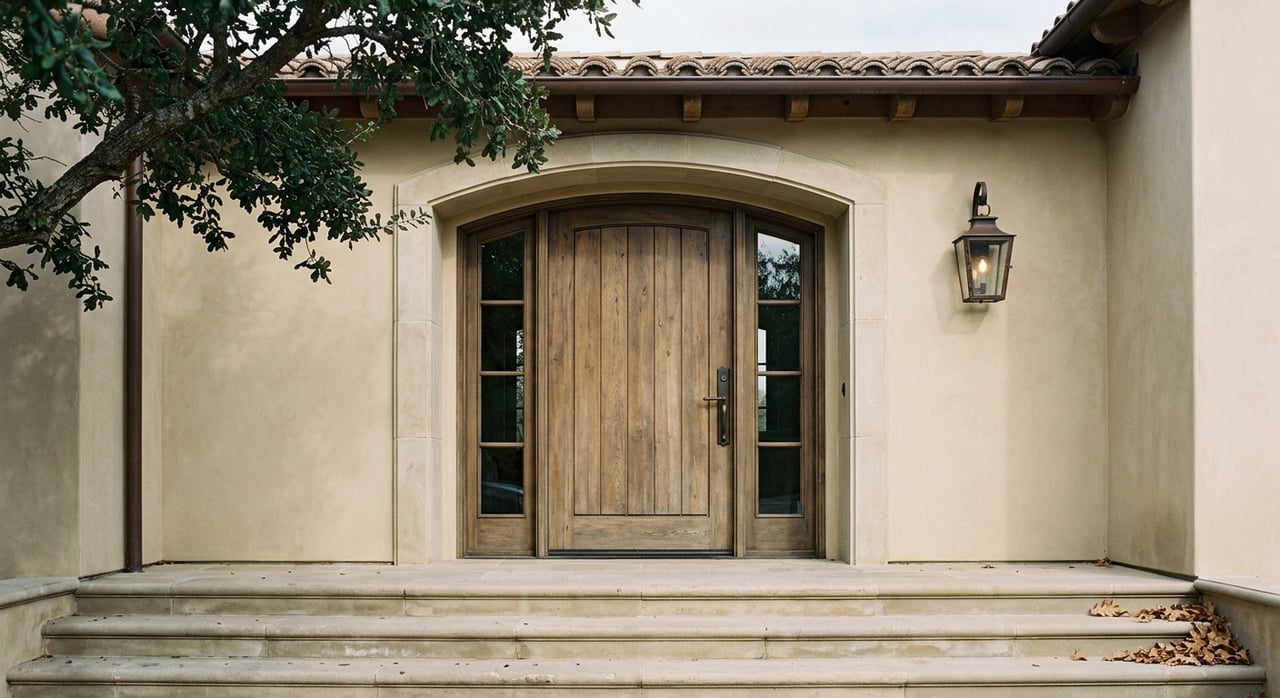
- After: Door repaint, low-maintenance plantings, cleaned or patched path, new porch light and planters. Caption: Five-day curb upgrade to increase show traffic. Approximate budget: $2,500 to $6,000. Timeline: 3 to 7 days.
Minor bathroom refresh to modernize
- Before: Stained grout, old vanity, dated fixtures.
- After: New vanity, regrouted tile, updated mirror and lighting, staged towels. Caption: Under $10,000 refresh that removes common buyer objections. Approximate budget: $6,000 to $10,000. Timeline: 1 to 2 weeks.
Open living demo if allowed
- Before: Narrow doorway between kitchen and living.
- After: Wider, non-structural opening or staged layout that shows sightlines and flow. Caption: Selective opening or staged reconfiguration to communicate open-plan potential. Approximate budget: $5,000 to $15,000. Timeline: 1 to 3 weeks. Note: Confirm permit needs.
Quick seller checklist
- Define your target list date and work backward.
- Pull recent, hyper-local comps and note updated vs. as-is outcomes.
- Get two contractor bids and a permit check where needed.
- Run the net-benefit math with carrying costs included.
- Pick 1 to 3 high-impact updates or choose a staged as-is strategy.
- Schedule professional photos and launch.
Ready to choose your path?
If you want a clean, data-backed decision and a smooth plan, you do not have to choose between a broker and a contractor. With integrated brokerage, permitting, and construction under one roof, you can compare renovate vs. list-as-is with real numbers, then execute the right plan without extra coordination. To discuss timelines, budgets, or a pre-list refresh for your Lafayette home, reach out to Woehrle Real Estate & Development.
FAQs
Will a Lafayette kitchen or bath remodel pay for itself?
- Smaller cosmetic or midrange updates often recoup more of their cost than upscale custom work, but results vary by comps and timing. For planning benchmarks, see Remodeling Magazine’s Cost vs. Value Report.
Do I need permits before listing if I already renovated?
- Yes. Disclose permitted work and keep documents handy. Unpermitted work can reduce buyer confidence and slow escrow. For local process details, check Lafayette’s Building Division.
How much should I budget to prep for a spring listing in Lafayette?
- Many sellers spend $5,000 to $30,000 on cosmetic updates and staging. Focus on paint, floors, lighting, curb appeal, and presentation to maximize speed and impact.
What if I choose not to renovate but the home needs work?
- Fix safety and inspection-critical items first, then consider offering a credit for optional cosmetic updates. A pre-inspection and transparent pricing can reduce buyer uncertainty and speed up offers.