What Buyers Should Know About The Piedmont Luxury Market
March 26, 2026
March 26, 2026
Shopping for a $3 million-plus home in Piedmont can feel like trying to hit a moving target. Listings are scarce, the best homes draw multiple offers, and historic architecture adds both charm and complexity. If you understand how this small market behaves, you can move faster and with more confidence. In this guide, you will learn how pricing really works here, what inspections matter, how to structure a competitive offer, and how to plan for the realities of older, character homes. Let’s dive in.
Piedmont is a tiny, high-end market with roughly 3,900 to 4,000 housing units, mostly single-family homes. That small base means monthly stats swing more than you might expect. As of February 2026, Redfin reported a median sale price near $2.45 million and a median of about 11 days on market. Realtor.com’s January 2026 snapshot showed a median list price around $3.495 million and about 50 days on market, while Zillow’s late January 2026 typical value hovered near $2.24 million. PropertyShark’s recent quarter summaries have medians near $2.4 million.
What should you take from the spread? A well-priced, well-presented home can still move quickly and over list, especially in spring. Inventory often sits in the single digits to low teens at any given time, so one trophy sale can shift the numbers. Use vendor and date when citing stats, and focus on multi-month trends, not just last month’s headline.
With citywide medians already in the low millions, “luxury” here typically lives in the top quartile. In practice, that means many luxury listings begin around $3 million, with estate-scale homes reaching $5 million to $10 million or more depending on lot size, architecture, views, and condition. The very top tier often trades privately, so you will not always see every notable sale hit public portals.
If you are weighing two otherwise similar homes, the one with intact period detail, a superior site, and fewer near-term projects usually wins on both lifestyle and resale.
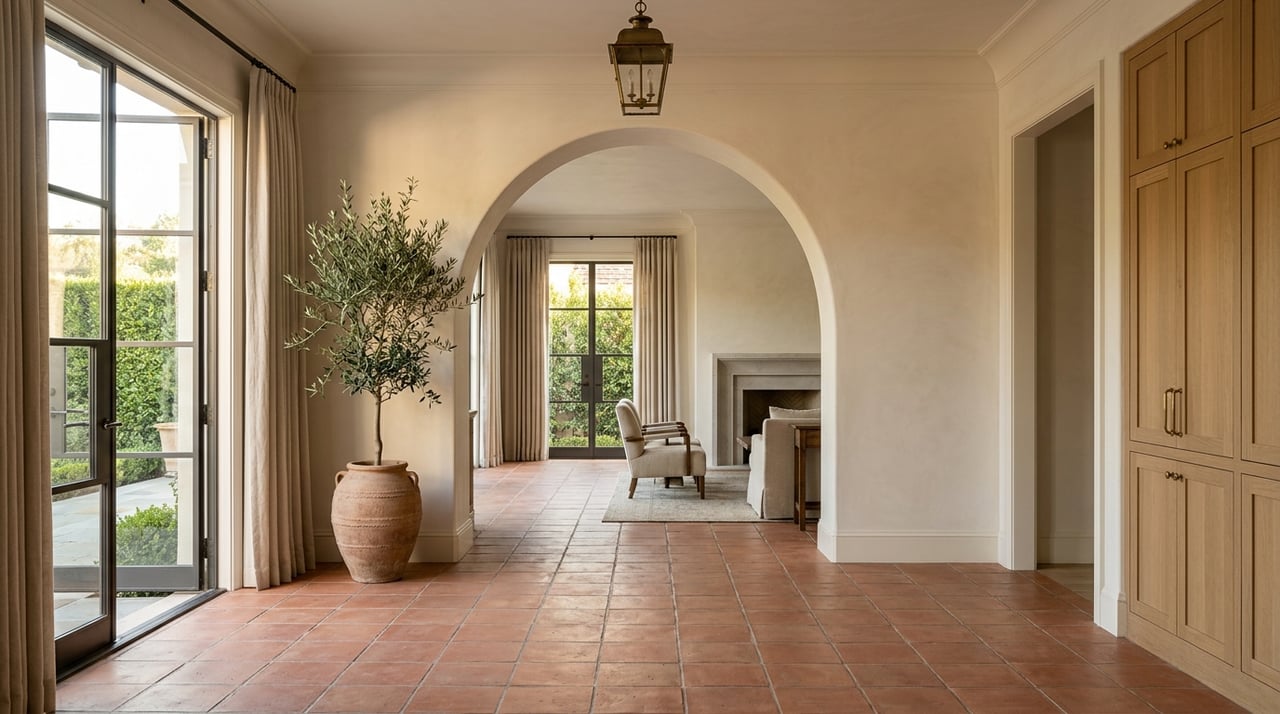
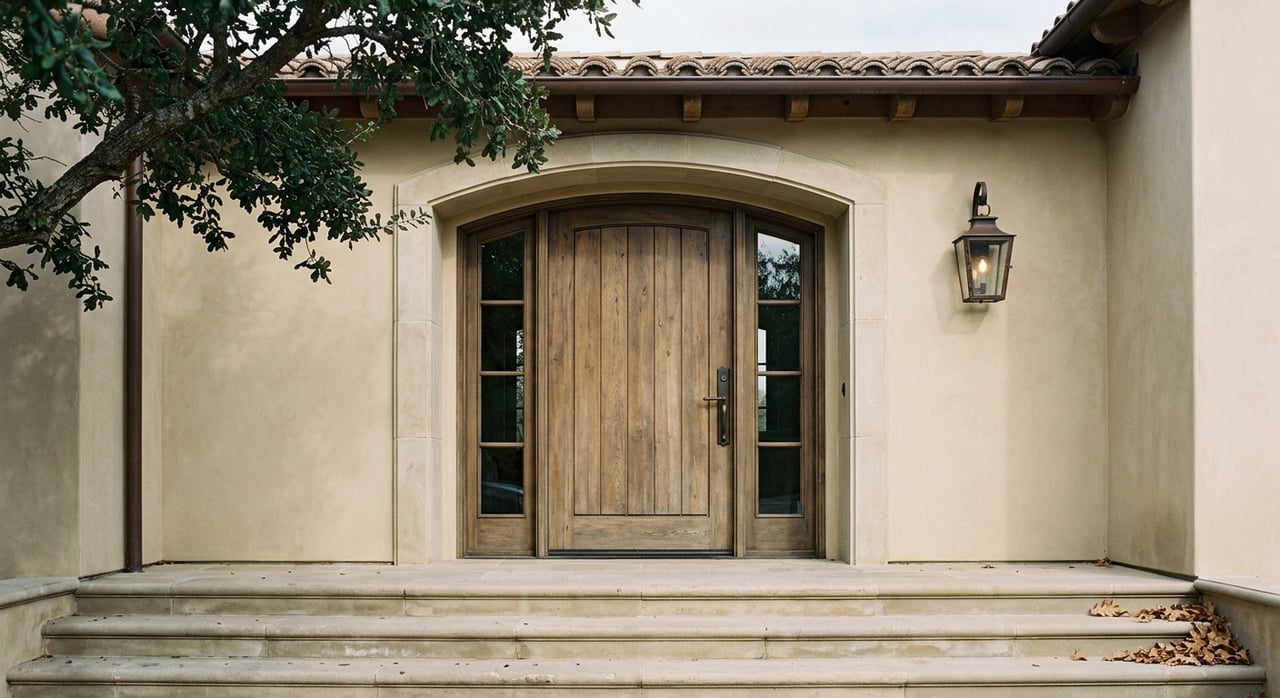
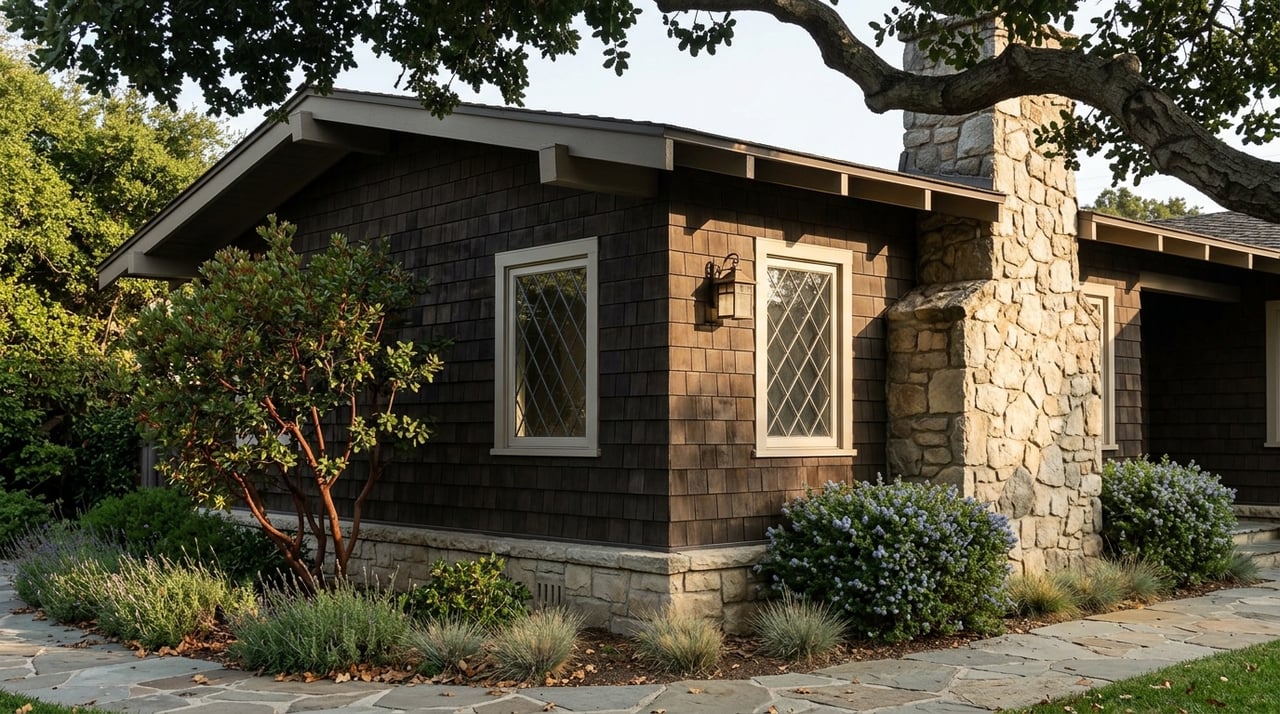
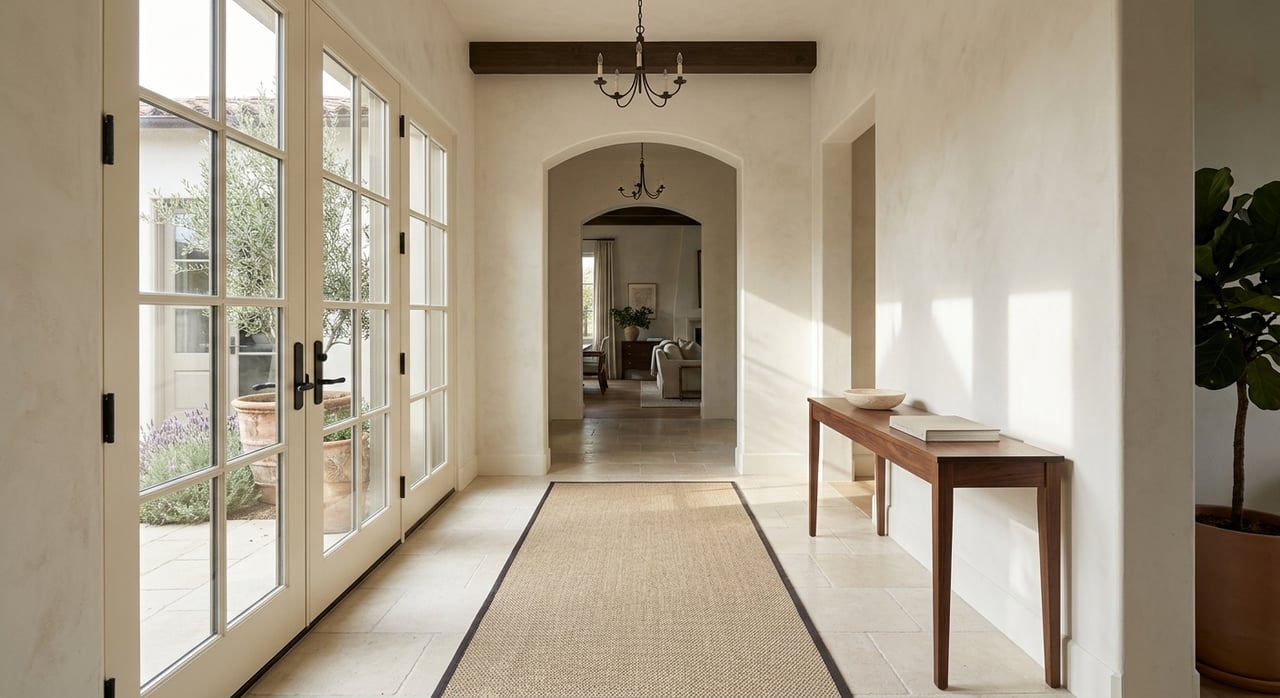
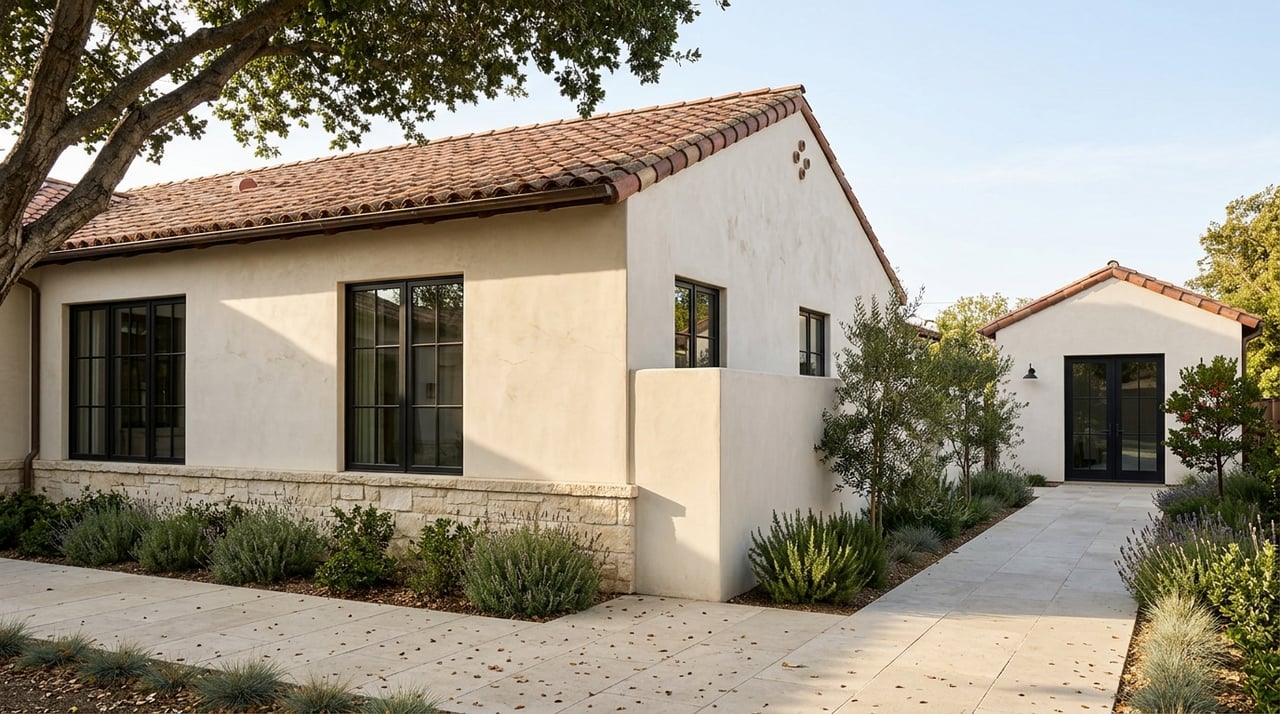
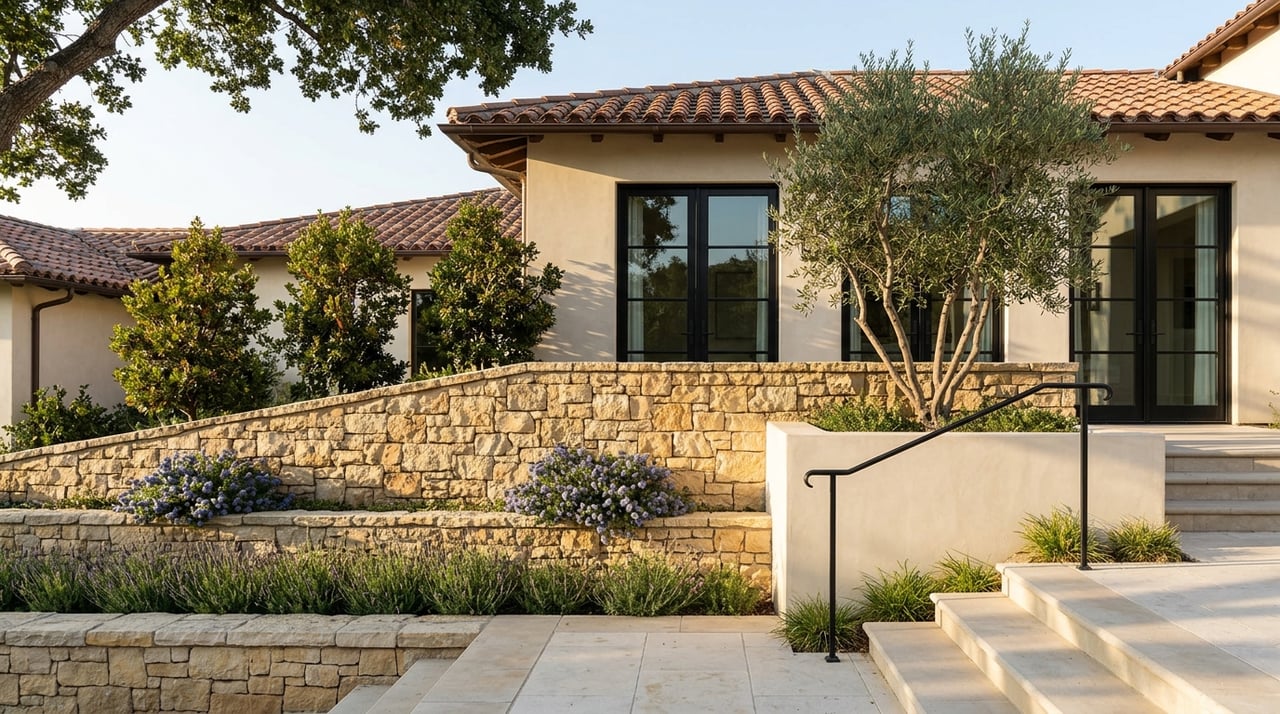
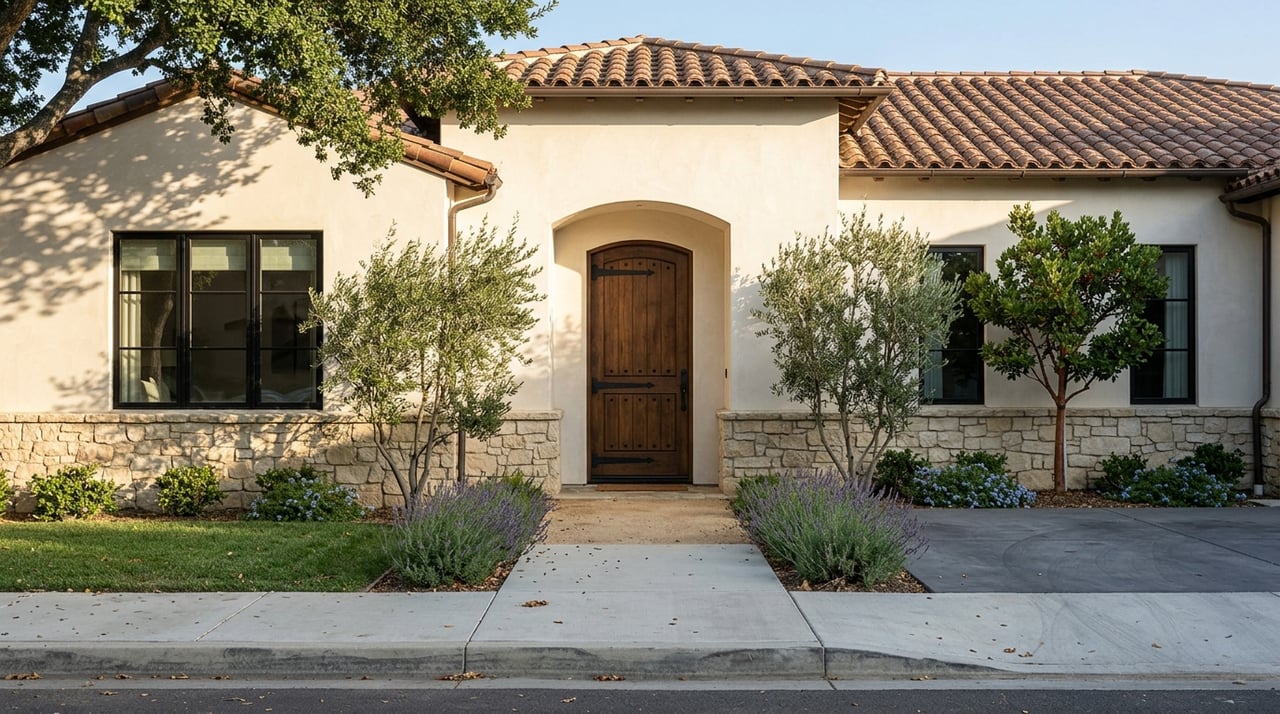
Piedmont’s early to mid-20th century architecture is a major draw. Craftsman, Mediterranean, and Tudor-influenced homes are common, often with preserved millwork, leaded glass, and grand public rooms. That character can command a premium, and national luxury coverage has highlighted renewed interest in older, architecturally rich homes. Your goal is to appreciate the upside while planning for responsible stewardship.
Original or well-restored features, a known architect, or inclusion in a notable streetscape can elevate value. These homes offer scale and craftsmanship that are costly to replicate today. For buyers who value timeless design, the tradeoff of ongoing care is often worthwhile over a longer hold.
Even beautifully kept historic homes can require specialized work. The common buckets include:
Budget both for immediate safety items and for future projects you may phase over time. Hillside sites can add geotechnical and drainage needs to the list.
If you plan exterior changes, Piedmont’s design standards and guidelines shape what is possible and how long it may take. Review the city’s published design guidance early so you can align your plans, timelines, and contingencies with local expectations. You will set better offers when you understand what approvals your vision may require.
In tight supply, your preparation is your advantage. Here is a practical offer playbook you can adapt to the home and the seller’s goals.
Most high-end Piedmont buyers commission a standard set of inspections plus targeted specialty work based on the property.
Most Piedmont purchases exceed 2026 conforming loan ceilings, which means you will likely use a jumbo loan or pay cash. For 2026, the FHFA set the national baseline conforming limit at $832,750 and the high-cost ceiling at $1,249,125. Jumbo lenders typically require larger down payments, strong credit, and post-closing reserves, and they can move quickly if you are fully underwritten. In the upper tier, all-cash buyers remain common across high-cost metros, which rewards clean proof of funds and flexible closing.
Spring and summer tend to bring more new listings, but Piedmont is supply-constrained in any season. One standout property can surface in the middle of winter and reset price references for the quarter. Keep a rolling view of comps and be ready to act when the right home appears. Because the monthly sample is small, track quarterly trends to avoid being whipsawed by a single trophy sale.
Use this short list to keep your search organized and competitive.
Ready to move from research to a tailored plan for Piedmont? If you want data-backed pricing advice, a smart inspection strategy, and hands-on guidance for renovation and permitting, connect with Wirlybirds INC. Our integrated brokerage and contracting approach helps you buy with clarity, protect your downside, and position your new home for long-term value.
Stay up to date on the latest real estate trends.
We'd love to hear from you! Whether you're buying, selling, or just exploring your options, we're here to provide answers, insights, and the support you need. Contact us and start planning your next move.