March 24, 2026
March 24, 2026
Picture your morning coffee with long green views and quiet fairways beyond your fence. If you are considering a home on the course in Blackhawk, you are weighing beauty and access against rules, privacy, and the occasional golf ball. This guide gives you a clear look at daily life, the biggest pros and cons, and a practical checklist so you can decide with confidence. Let’s dive in.
Blackhawk is a gated, master‑planned community in the Danville area with a highly managed HOA. The Master Association reports about 2,027 homes, more than 26 miles of private roads, staffed gates, and an Architectural Review Committee that oversees exterior changes. You can read more about governance and ARC requirements on the HOA’s overview page at the community site (Blackhawk HOA About). The HOA outlines these roles and requirements here.
The Blackhawk Country Club is a separate, private club with two championship 18‑hole courses, the Lakeside and the Falls, along with racquets, swim, fitness, and dining. Living in Blackhawk does not require club membership, and membership has multiple tiers with separate dues. Buyers considering club access should contact the Club for current details. Review the Club’s membership options here.
Blackhawk sits at the base of Mount Diablo and operates within a Geologic Hazard Abatement District. The GHAD monitors and addresses landslide risk, and the HOA funds wildfire and weed abatement in the hills, which is different from many simpler HOAs. If you are evaluating a specific property, look at GHAD resources and recent activity for that parcel. Start with the Blackhawk GHAD page.
Blackhawk is often described as six gated sub‑communities, and several pockets directly border the courses. Street‑by‑street boundaries and “on the course” exposures vary. When you focus your search, verify exact parcel boundaries and HOA or sub‑association rules for that address with your agent and the HOA.
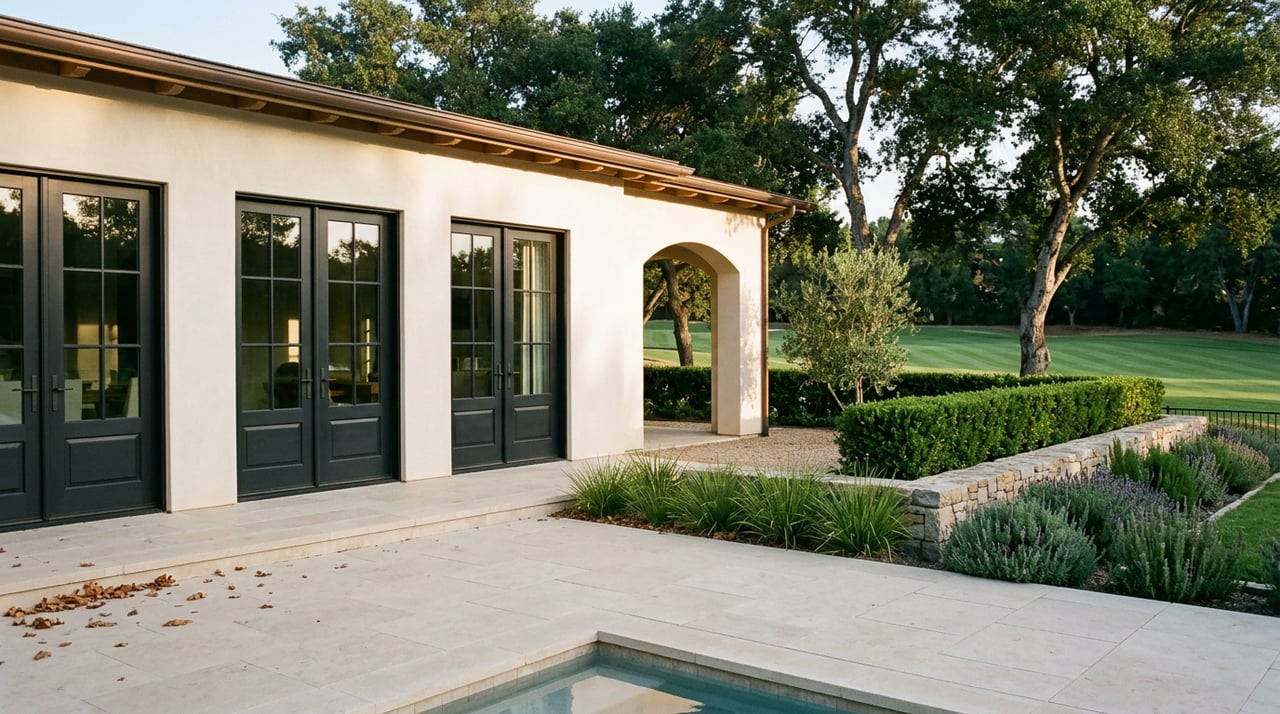
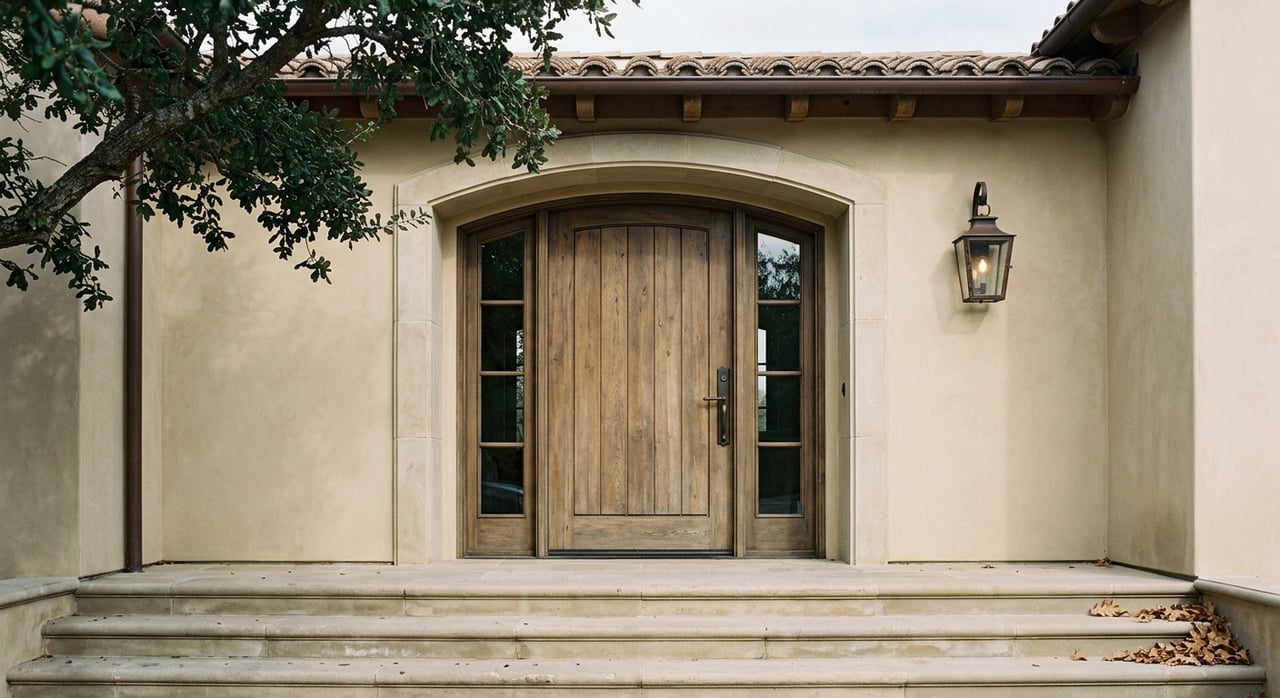
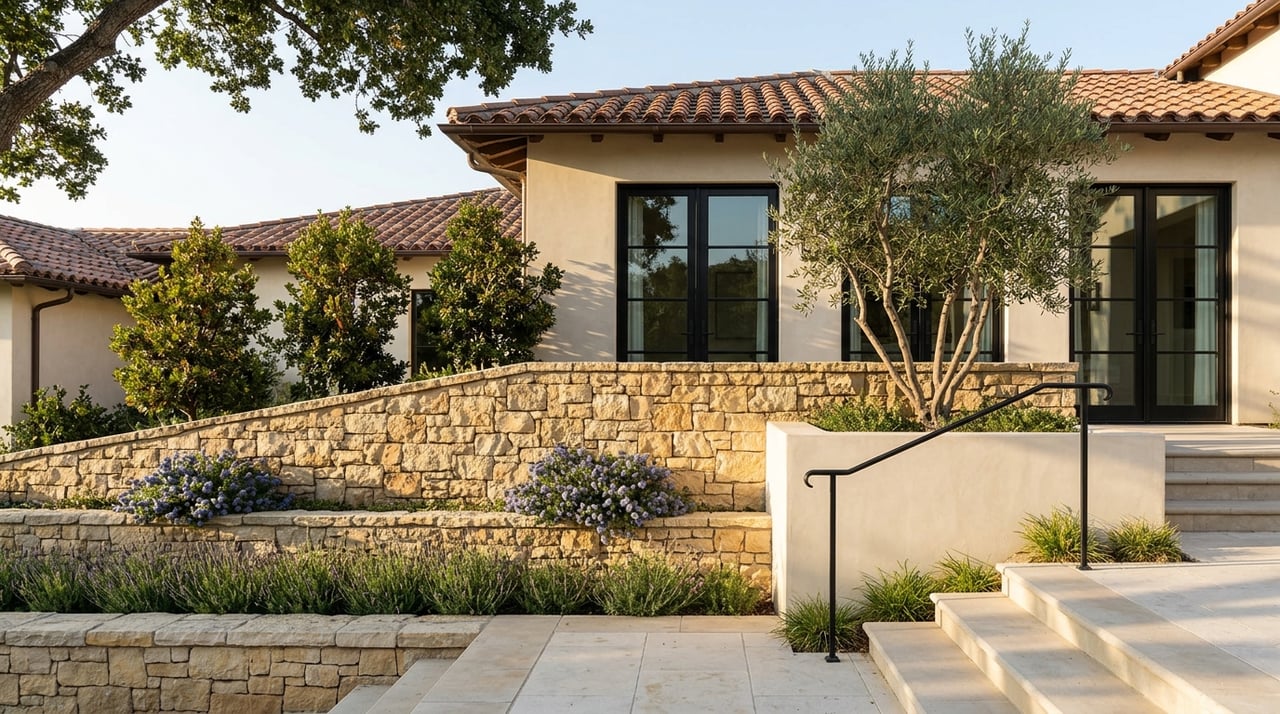
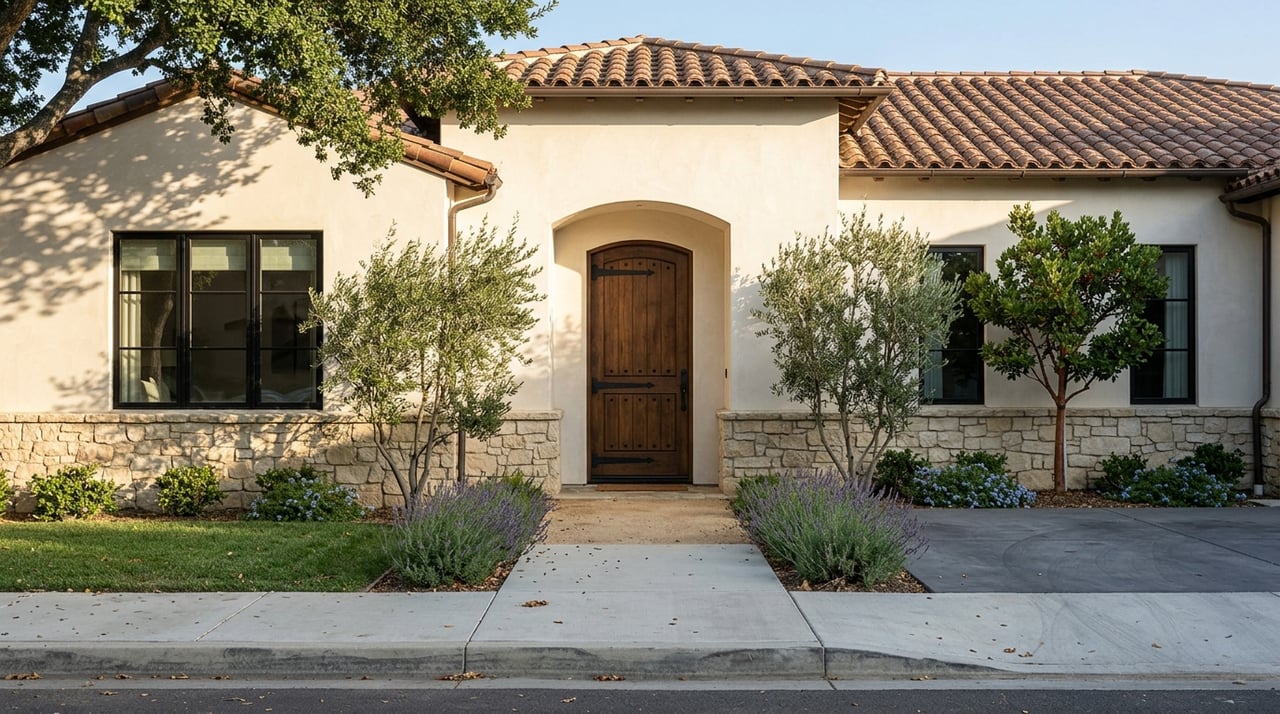
Fairway‑side properties in Blackhawk include custom and semi‑custom single‑family homes, often Mediterranean or California‑transitional in style with stucco, clay tile roofs, and indoor‑outdoor living spaces. You also see contemporary remodels and very large estates. Elsewhere in the community there are smaller detached homes and some townhomes. The shared theme on the course is upscale outdoor space designed to take in the view.
For many buyers, the top draw is the view. Fairway homes often enjoy long sightlines, evergreen lawns, and sunset or hillside vignettes with no direct neighbor behind. That sense of openness is hard to match in typical suburban streets.
If you choose to join the Club, you are never far from golf, racquets, fitness, pools, and dining. Clubs also tend to host leagues, junior programs, and social events that create an active calendar for households that want it. Explore membership and lifestyle details on the Club’s site.
The HOA maintains common landscaping, private roads, parks, and gates. Architectural Review helps keep a consistent streetscape, which many buyers value for curb appeal and order. See the HOA overview for how the community is managed.
Staffed gates, a local police service funded by the community, and HOA‑run programming contribute to a sense of structure and exclusivity. The result is a neighborhood where access is controlled and common areas are actively maintained. You can confirm these services on the HOA’s site.
Backyards on fairways are more visible to golfers and maintenance crews. Depending on the hole layout and cart paths, you may feel more exposed than you would on an interior lot. Screens, fences, and hedges that change the exterior look typically require ARC approval, so always check first. Review the HOA’s Architectural Review guidance.
Errant balls are a small but real risk. Damage can include broken windows or dented siding, and injuries are rare but possible. Liability depends on facts and local law, so issues are often handled through insurance and practical mitigation like impact‑resistant glass, protective screening, or landscape buffers. Ask sellers about any prior incidents and how they addressed them. This overview explains how golf‑ball liability is often handled.
Course crews mow, irrigate, aerate, and topdress, often early in the morning. Expect tractor and mower noise during maintenance windows, along with occasional spray or fertilizer odors. Ask the Club for a typical maintenance calendar and for how residents are notified about major work. Here is a primer on common golf‑course maintenance practices.
Exterior changes that affect the community look or course sightlines require ARC approval, and rules can be strict. The Master Association and any sub‑association have assessments, and Club memberships are separate with their own dues. Always verify current fees and restrictions for your address. Start with the HOA’s ARC resources and review Club membership structure here.
Clubs run tournaments and social events that can concentrate parking and traffic near facilities on certain days. If you work from home or host often, ask the Club for an events calendar to plan around peak times. The membership office can outline typical event rhythms.
Because Blackhawk has a GHAD and sits near hillside terrain, landslide monitoring and wildfire weed‑abatement are part of community operations. When you evaluate a property, look at GHAD maps and any recent GHAD work nearby, and ask whether the parcel carries special assessments. The GHAD page is a good starting point.
The Danville and Blackhawk area is an upper‑end Bay Area market, with course‑front estates trading at multi‑million‑dollar levels and smaller detached homes or townhomes transacting lower. Prices and fees change quickly, so rely on up‑to‑date local comps and HOA or Club disclosures when you evaluate a specific home.
Many buyers historically pay more for true course‑front lots thanks to the guaranteed green view and perceived prestige, but it is not uniform. The realized premium depends on the course’s health and management, buyer preferences at the time of sale, and the exact lot position, such as tee box versus green. Compare recent course‑front sales against similar interior lots to size any gap. This overview of golf‑course homes explains why the premium varies.
Use this list to go from curiosity to clarity:
If you love open views, a manicured backdrop, and the option to plug into a full Club lifestyle, a fairway home in Blackhawk can deliver a rare blend of scenery and access. You will want to accept early‑morning maintenance, more visible backyards, clear exterior design rules, and the small risk of stray golf balls. The best way to decide is to pair on‑the‑ground visits with document reviews and a clear plan for any privacy or protection upgrades you might want.
If you plan improvements, from impact‑resistant glass to tasteful landscape buffers, get ARC guidance early so you can design within the rules and protect your view. A coordinated path from evaluation to permitting and construction keeps your timeline and budget on track.
Ready to explore course‑front options or fine‑tune a plan for a specific property? Reach out to our local, integrated team for straight answers and a step‑by‑step approach that aligns with Blackhawk’s HOA and the Club’s rhythms. Start the conversation with Wirlybirds INC.
Stay up to date on the latest real estate trends.
We'd love to hear from you! Whether you're buying, selling, or just exploring your options, we're here to provide answers, insights, and the support you need. Contact us and start planning your next move.