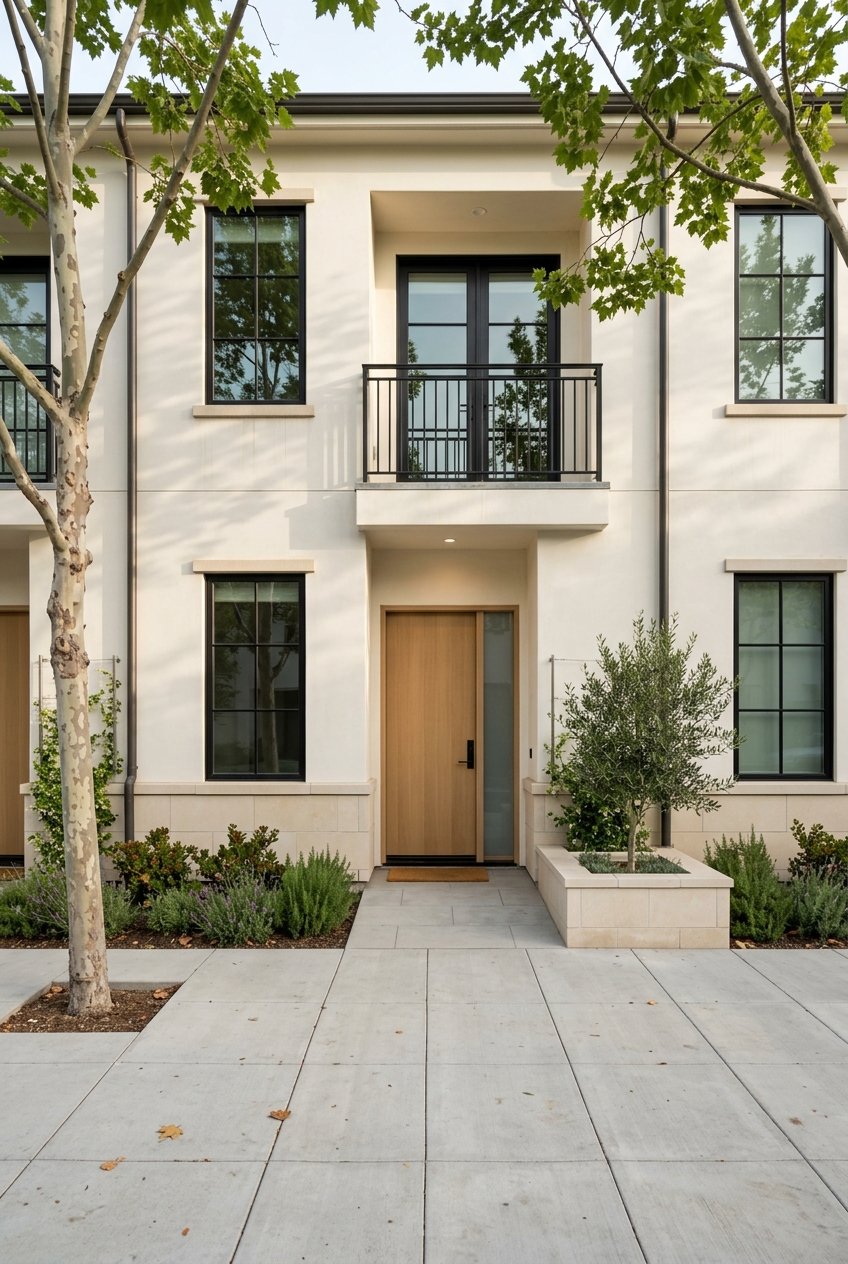
Is Downtown Walnut Creek Living Right for Your Lifestyle?
May 21, 2026
May 21, 2026
If you are wondering whether downtown Walnut Creek feels more like a place you visit or a place you can truly live, the short answer is both. For many buyers, the appeal is simple: you want convenience, energy, and a daily routine that does not revolve around getting in the car for every small errand. This guide walks you through what day-to-day life in downtown Walnut Creek actually looks like, from morning coffee runs to commuting, weekend outings, and the tradeoffs that come with living in an active town center. Let’s dive in.
Downtown Walnut Creek is best understood as a compact mixed-use district. City and downtown materials describe it as a place where dining, shopping, arts, entertainment, and housing all come together in one walkable area.
That matters if you are considering a condo or townhome nearby. Instead of living next to a single destination, you are living in a district built around everyday access to restaurants, shops, civic spaces, and transit.
A typical weekday can start on foot. Downtown Walnut Creek has a dense mix of coffee and breakfast spots, including Ananas Coffee, Bober Tea and Coffee, Peet's Coffee, Philz Coffee, Prologue Coffee & Tea, Rooted Coffee Co., Tellus Coffee, Brioche de Paris, and House of Bagels.
That variety supports a grab-and-go routine. If you like the idea of stepping outside for coffee, breakfast, or a quick meeting without planning a drive, downtown living makes that much more realistic.
Daily life is not just about restaurants. The downtown visitor guide highlights Broadway Plaza as home to 80 specialty shops and restaurants, and the downtown directory includes a mix of national retailers, local boutiques, and co-working space.
For many residents, that means errands can blend into the day. You might pick up coffee, stop into a store, handle a quick task, and be home again in a short walk.
The Walnut Creek Farmers Market is a year-round part of downtown life. According to the downtown visitor guide, it runs on Sundays from 9 a.m. to 1 p.m. on Locust Street and is a short walk from BART.
If you enjoy a neighborhood rhythm to your weekends, this is one of the clearest examples. It gives downtown a recurring weekly anchor that feels practical, not just seasonal.
If you work remotely, study, or just want a change of scenery during the day, the Walnut Creek Library adds another useful layer to downtown living. Contra Costa County Library says the library is near Civic Park in downtown Walnut Creek and within easy walking distance of BART, the Lesher Center for the Arts, and the shopping and dining district.
The library also includes a café, a children’s wing, a Teen Zone, and reservable study rooms. For buyers thinking about everyday function, that makes downtown feel more livable and less like a place built only for evenings and weekends.
One of the biggest lifestyle advantages downtown is mobility. If your ideal setup includes the option to walk, use transit, or keep driving to a minimum, downtown Walnut Creek offers several ways to do that.
Walnut Creek Station is at 200 Ygnacio Valley Road and serves the Antioch to SFIA/Millbrae line. BART says the station has become one of the busiest in Contra Costa County, serving about 7,000 riders each day.
The city also notes that the station serves downtown Walnut Creek and major employment and shopping areas. Secure vehicle parking and bicycle storage lockers are available, which adds flexibility if your routine changes from day to day.
The city’s free Route 4 Downtown Trolley supports a car-light routine. It runs seven days a week from Walnut Creek BART and offers complimentary hop-on, hop-off service between downtown shopping, restaurant, and entertainment destinations, with service every 20 minutes.
In March 2026, the city updated the route to create a more direct loop along Locust and Main. That change reduced travel time between downtown stops and BART, which makes short local trips even easier.
If you do keep a car, parking is still part of the picture, but it is managed rather than casual. City garages are open 24 hours, the first hour is free, and downtown meters operate from 10 a.m. to 8 p.m. Monday through Sunday.
The city says parking revenue is reinvested into landscaping, sidewalk cleaning, the free downtown trolley, downtown policing, and community events. For buyers, this is an important reminder that downtown living comes with more structure around parking than a typical suburban neighborhood.
Downtown Walnut Creek is especially appealing if you want activity close at hand. The downtown dining directory says there are more than 120 restaurants in the district, ranging from coffee counters and bakeries to casual lunch spots, wine bars, and higher-end dining.
Examples listed by the downtown association include Caffe La Scala, North Italia, Telefèric Barcelona, Boudin SF, and The Cheesecake Factory, along with many faster casual options. In practical terms, that gives you a lot of flexibility for everyday meals, quick meetups, and last-minute plans.
Broadway Plaza plays a big role in the downtown experience. The visitor guide describes it as an open-air center with 80 specialty shops and restaurants, including Nordstrom, Macy's, Apple, True Food Kitchen, Boudin, and Pinstripes.
For some buyers, that means convenience. For others, it means a steady stream of activity and foot traffic that reinforces downtown’s role as a true regional destination.
One of the more distinctive parts of downtown Walnut Creek is that it is not all retail and restaurants. The district also has a strong arts presence and accessible green space, which adds variety to daily life.
The Lesher Center for the Arts is a major local draw. The center describes itself as the premier arts destination in Contra Costa County and says it hosts more than 900 productions and events each year, welcoming more than 350,000 patrons annually.
That kind of programming changes how downtown feels. You are not just living near shops and dining. You are also living near a consistent calendar of performances and events.
The city runs self-guided walking tours that explore more than 100 sites across four downtown blocks. Walnut Creek Downtown also maintains a public art page and art map that highlight installations throughout the district.
This adds visual interest to a routine walk through downtown. Even small daily trips can feel a little more layered when the public realm includes art and civic features.
Civic Park is the main green-space counterpoint to the built-up core. Walnut Creek Arts + Rec says the park is 16.7 acres, open dawn to dusk, and includes two playgrounds, a picnic area, a community center, a library, parking, restrooms, a seasonal ice rink, and trail connections.
The downtown visitor guide also highlights seniors’ programming, Civic Arts Studios, and a connection to the Iron Horse Trail. If you want downtown access without giving up outdoor space entirely, Civic Park helps balance the setting.
For condo and townhome buyers, downtown Walnut Creek tends to fit best when convenience and mobility rank high on your list. City and downtown materials consistently present the area as a vibrant, walkable place with housing close to dining, shopping, arts, and community events.
In everyday terms, that can mean less dependence on a car, easier access to BART, and more options within a short walk. If you want a built-in routine with restaurants, public spaces, and transit close by, downtown has a lot going for it.
The same features that make downtown appealing can also be the main tradeoff. Parking demand is higher, garages and meters are closely managed, and the area hosts recurring markets, festivals, arts programming, and public events.
If you are looking for quieter blocks, larger private outdoor areas, or a detached-home setting, downtown may feel more active than you want. If you value walkability, convenience, and an urban-style rhythm in the East Bay, that same energy may be exactly the point.
Downtown Walnut Creek works well for buyers who want their surroundings to do more of the work. You can build a day around walking to coffee, using BART, stopping by the library, meeting friends for dinner, or spending part of a weekend at the farmers market or Civic Park.
It is a different lifestyle than a traditional suburban neighborhood, and that distinction matters. The right fit often comes down to whether you want more space and privacy, or more immediate access to the things you use and enjoy every week.
If you are weighing that choice in Walnut Creek or nearby communities, working with a team that understands both lifestyle fit and property potential can make the process a lot clearer. Wirlybirds INC can help you evaluate the right home, the right location, and the tradeoffs that matter most for how you actually want to live.
Stay up to date on the latest real estate trends.

We'd love to hear from you! Whether you're buying, selling, or just exploring your options, we're here to provide answers, insights, and the support you need. Contact us and start planning your next move.