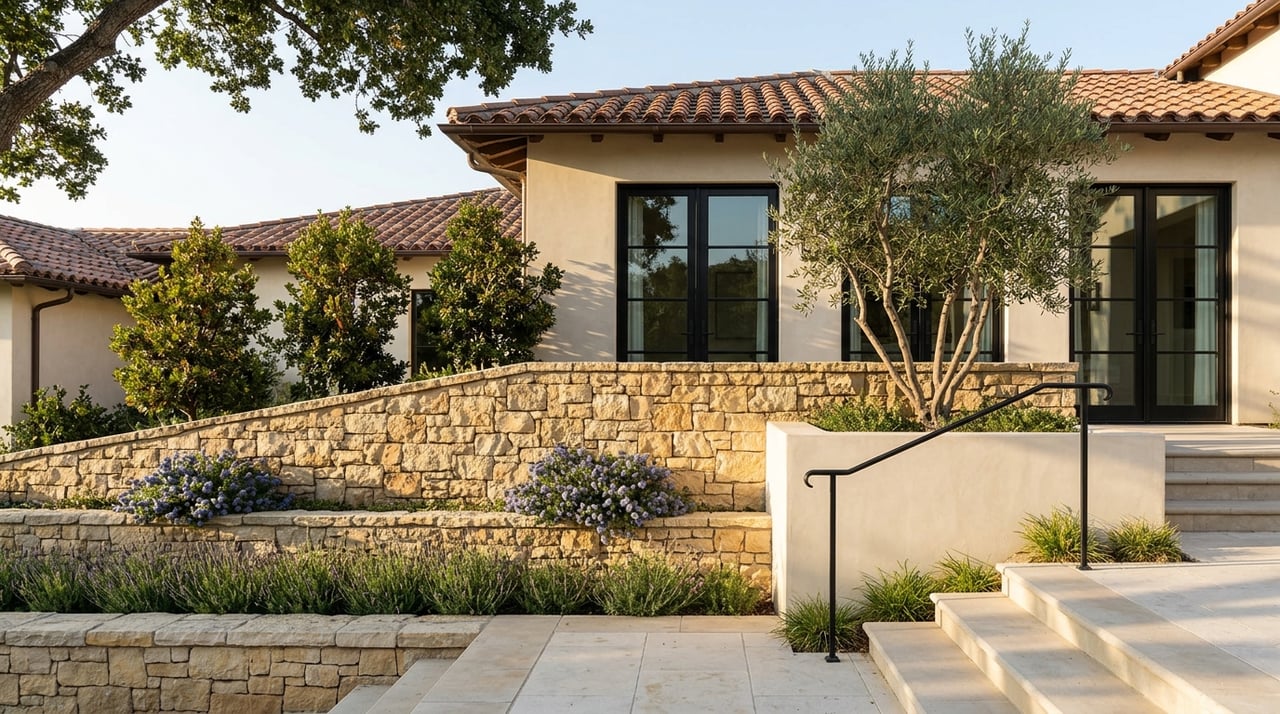
Understanding Orinda’s Hillside Neighborhoods And Lifestyles
June 4, 2026
June 4, 2026
If you are thinking about Orinda, one truth matters right away: this is not a one-size-fits-all market. Orinda’s hillside neighborhoods can feel very different from one another depending on slope, access, home age, open space, and how close you want to be to downtown or BART. Understanding those differences can help you narrow your search faster, avoid tradeoffs that do not fit your lifestyle, and focus on the part of Orinda that feels right for you. Let’s dive in.
Orinda covers about 12.8 square miles and is defined by tree-filled hillsides, a semi-rural feel, and a strong emphasis on preserving residential character and open space. City land-use policy shows that low-density single-family housing remains the dominant pattern, especially on steeper sites where development is generally lower density.
That planning framework helps explain why Orinda feels more like a collection of micro-markets than one uniform suburb. In practice, your day-to-day experience can shift a lot depending on whether you are in a central pocket near downtown, a hillside neighborhood with more privacy, or a newer planned area with built-in amenities.
In Orinda, topography is not just about views. It affects how quickly you get to BART, how walkable your immediate surroundings feel, how much open space is nearby, and how much privacy you may have from neighboring homes.
In broader terms, the hillside pockets often trade convenience for seclusion, open space, and a stronger sense of retreat. Central Orinda tends to offer easier access to downtown services, transit, and a more practical daily routine for buyers who value connectivity.
Sleepy Hollow stands out as one of Orinda’s clearest identity-driven neighborhoods. The neighborhood association describes about 470 homes across 600 acres, just north of Highway 24, with stone gates, a school, and a private swim-and-tennis club within its boundaries.
For a buyer, that points to an established North Orinda pocket with a strong internal neighborhood feel. If you are drawn to areas with a recognizable sense of place and a large residential footprint, Sleepy Hollow often belongs on the short list.
Because of its size and identity, this part of Orinda can appeal to buyers who want a neighborhood that feels cohesive rather than transitional. It is less about in-town convenience and more about living in a well-defined residential enclave.
The Orinda Country Club area offers a different kind of hillside lifestyle. The club dates to 1924 and spans 160 acres, with golf, aquatics, racquet sports, and a historic Spanish Mediterranean clubhouse. Lake Cascade also sits within the club property.
That setting gives this pocket a club-centered, amenity-driven character. If you are comparing neighborhoods based on atmosphere, this area is best understood through that recreational and landscape backdrop rather than through transit access or downtown adjacency.
For some buyers, that kind of environment creates a strong lifestyle match. It can feel more oriented around private amenities, established surroundings, and a distinct North Orinda setting.
Wilder is Orinda’s clearest newer master-planned hillside neighborhood. The city describes it as a planned development at the southern end of Orinda covering more than 1,500 acres, with 245 home sites clustered within 200 acres and open space preserved on three sides.
The lifestyle draw here is easy to see. Wilder includes trails, ball fields, a clubhouse, a private swim and fitness facility, and an art and garden center. As of November 2023, the city said 230 lots had completed home construction.
If you want newer construction and a neighborhood built around open space access, Wilder offers one of the most structured lifestyle packages in Orinda. It is especially useful for buyers who want the feel of hillside living without giving up planned amenities and trail integration.
Not every Orinda home search needs to center on the outer hills. The city highlights several in-town or downtown-adjacent communities, including Orinda Grove, a completed 73-lot subdivision, and Orinda Oaks, a completed 12-lot subdivision. Orindawoods adds another option, with 258 homes on more than 150 acres and shared greenspace.
These areas can give you more variation in home age and a more centralized search pattern. They are especially relevant if you want to stay closer to downtown Orinda and keep BART access more realistic as part of daily life.
This matters because Orinda’s current Housing Element identified 31 potential housing locations, with 26 of them in Downtown Orinda and only five outside downtown. That tells you where the city’s most transit-oriented and change-oriented housing discussion is concentrated.
Transit access is one of the biggest practical differences between Orinda neighborhoods. Orinda Station is located at 11 Camino Pablo, and BART says the station includes bike racks, 36 on-demand BikeLink lockers, connecting County Connection service, and parking currently available at all times.
BART’s station map also shows a three-minute walk to the Theatre District and a pedestrian path toward downtown. That is why central Orinda feels notably more transit-friendly than the outer hillside pockets.
County Connection Route 6 links Lafayette BART, Moraga, Orinda BART, and the Orinda Way and Orinda Community Center stop. Published service runs from 6:15 a.m. to 8:00 p.m. on weekdays and 10:00 a.m. to 5:30 p.m. on weekends, with less frequent headways than many commuters may expect.
For that reason, buyers who expect to use a bus-plus-BART routine often focus more seriously on central Orinda. If your schedule depends on faster and simpler station access, location within Orinda can make a meaningful difference.
Outdoor access is a major part of Orinda’s appeal, but it shows up differently from one neighborhood to another. Orinda received a Trail Town USA designation in 1996, and the city highlights several major trail systems that shape local lifestyle.
These include the de Laveaga Trail from downtown, the EBMUD trail at Wagner Ranch connecting to the American Discovery Trail, the St. Stephen’s pedestrian and bicycle trail linking to the East Bay Regional Park Trail system and Lafayette Reservoir, and Wilder’s own trail network. The city also notes Orinda’s adjacency to the San Pablo Dam and Briones Reservoir trail systems.
For buyers, that means outdoor access is not limited to one pocket. The better question is how you want that access to work in daily life. Wilder offers trail access within the neighborhood, while central Orinda connects more directly to downtown and reservoir-oriented routes.
The appeal of Orinda’s hillside neighborhoods often comes down to tradeoffs you can feel every day. More elevation can mean more privacy, broader outlooks, and closer contact with open space. It can also mean a less direct route to downtown, transit, or daily errands.
Communities on the hill above Orinda can also bring additional planning and maintenance considerations. The city’s article on Orindawoods specifically notes recognized high wildfire risk along with substantial shared greenspace, which is an important part of understanding the setting.
That does not make one area better than another. It simply reinforces that Orinda works best when you evaluate neighborhoods through your actual routine, not just through a map or listing photos.
If you are comparing Orinda submarkets, it helps to start with lifestyle first and then map that to housing options. A few simple filters can bring clarity quickly:
The best Orinda fit usually comes from balancing four things: home style, neighborhood feel, commute pattern, and your preferred relationship to open space. Once those priorities are clear, the city becomes much easier to read.
Because Orinda is shaped by slope, planning rules, and neighborhood-specific lifestyle differences, broad descriptions rarely tell the whole story. Two homes with similar price points can offer very different living experiences depending on where they sit within the city.
That is where local knowledge becomes useful. When you understand how terrain, access, and housing patterns intersect, you can search more strategically and make better decisions about fit, future flexibility, and long-term value.
If you are exploring Orinda’s hillside neighborhoods or trying to understand which pocket best matches your goals, Wirlybirds INC can help you compare the market with a practical, neighborhood-first lens.
Stay up to date on the latest real estate trends.

We'd love to hear from you! Whether you're buying, selling, or just exploring your options, we're here to provide answers, insights, and the support you need. Contact us and start planning your next move.